330.252.8188
 Uniontown, OH
 330.252.8188
 Uniontown, OH


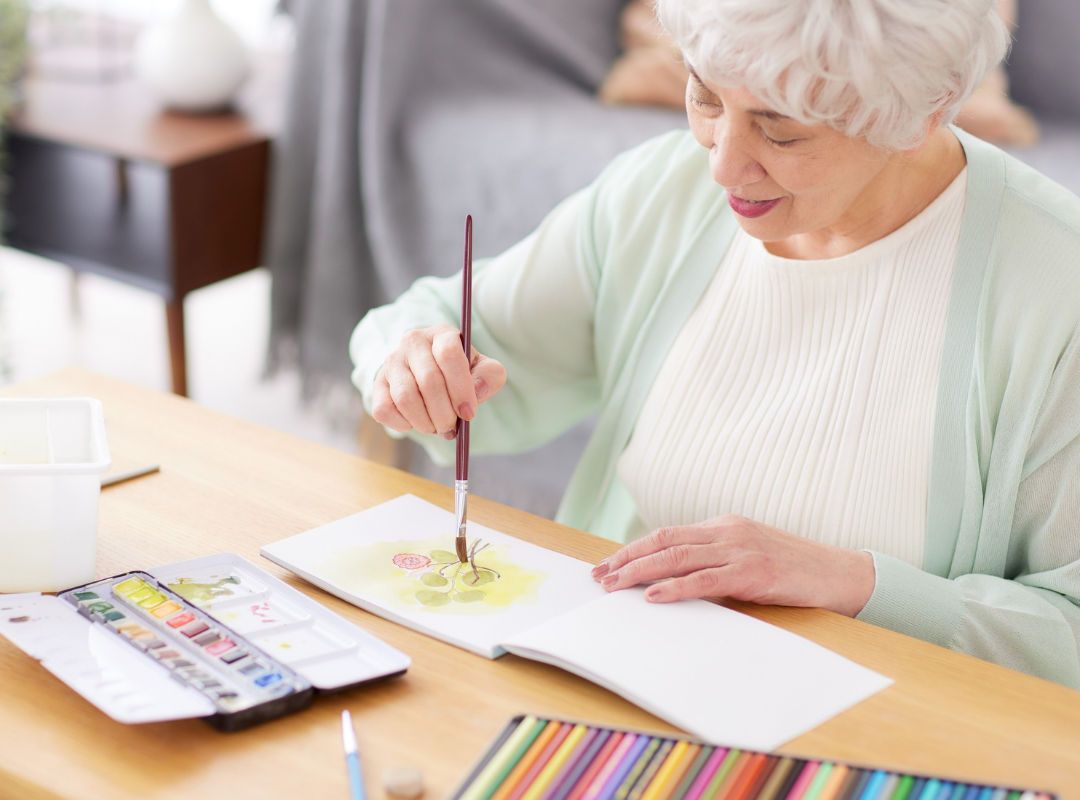
Art therapy for older adults combines creative expression with professional therapeutic support to encourage communication, reflection, connection, and a sense of purpose. Artistic talent is not required. The experience centers on creating, exploring, and expressing thoughts or feelings, not producing a perfect painting, drawing, or sculpture.
Creative activities can also enrich daily life outside a clinical setting. Knowing the difference between formal art therapy and a recreational art class helps you understand who leads the program, what it is designed to support, and which questions to ask when comparing senior living activities.
What Is Art Therapy for Older Adults?
Art therapy is a mental health profession that uses active art-making, the creative process, psychological principles, and a therapeutic relationship. A professional art therapist guides the experience around personal or relational goals. Art may provide another form of communication when thoughts or emotions are difficult to put into words, as explained by the American Art Therapy Association.
The process can involve drawing, painting, collage, clay, or other creative materials. The value does not depend on how the finished project looks. What matters is how the person responds to the materials, makes choices, explores ideas, and communicates during the experience.
Art Therapy vs. Recreational Art Activities
Formal art therapy is facilitated by a trained art therapist and connected to therapeutic goals. An art class focuses on creativity, learning, enjoyment, self-expression, or social participation. Both experiences can feel meaningful, but they are not interchangeable. The American Art Therapy Association’s guidance on art therapy cautions against describing general art activities or coloring exercises as art therapy when they are not provided by a qualified professional.
How Creative Activities May Support Wellness and Purpose
Creative participation can encourage several parts of an older adult’s well-being at the same time. Choosing colors, working with materials, remembering a familiar place, or sharing the meaning behind a project may invite attention, self-expression, conversation, and accomplishment.
A systematic review of arts engagement and cognitive health included 10 studies with a combined 7,874 participants. The findings suggested that active and receptive arts engagement may support cognition, well-being, and quality of life, although individual results and the strength of the evidence can vary.
Emotional Expression and Reflection
Art may give an older adult a way to explore memories, grief, changes, or feelings that are hard to explain in ordinary conversation. A color, image, or object can become a starting point for reflection without requiring the person to find the perfect words.
Cognitive Engagement
Creative projects involve choices. A person may select materials, plan a design, follow steps, solve a small problem, or connect an image with a memory. These moments encourage active participation and allow the project to be adjusted to the person’s attention, energy, and abilities.
Social Connection
A shared creative activity gives people something natural to talk about. Participants can discuss materials, notice one another’s work, remember related experiences, or contribute to a group project. Research on participatory arts in care homes found that creative participation encouraged communication, interaction, and stronger social relationships among older adults and care staff.
Accomplishment and Personal Identity
Completing a project can provide a visible reminder of effort, choice, and personal style. For someone whose daily life has changed, creating something that reflects individual interests can reinforce identity and capability. The value may come from finishing the work, sharing it, or simply enjoying the creative process.
Do Older Adults Need Artistic Experience to Participate?
No. Older adults do not need experience in painting, drawing, crafts, or any other art form to participate. A thoughtfully planned session focuses on curiosity, expression, and enjoyment, not technical ability or comparison with other people.
Some older adults hesitate because they believe they are not creative or worry that their work will look wrong. Clear instructions, flexible choices, and a relaxed setting can reduce that pressure. A person should be able to experiment, change direction, observe first, or decide not to complete every step.
The facilitator’s response also matters. Comments that recognize effort, color choices, ideas, or personal meaning are often more welcoming than judging whether the artwork is good. Participation should feel like an invitation, not a test.
Art Activities That Can Be Adapted to Different Abilities
Many creative projects can be adjusted around mobility, hand movement, vision, energy, or attention. The right choice depends on what the older adult enjoys and what feels manageable. An activity that works well one day may need a different pace or level of support on another day.
| Activity type | Possible adaptation | What it may encourage |
| Watercolor or sponge painting | Larger brushes, easy-grip handles, and secured paper | Color choice and free expression |
| Collage | Pre-cut images, adhesive dots, and lightweight materials | Storytelling and decision-making |
| Clay or soft modeling material | Softer material and larger forms | Sensory exploration and hand use |
| Stamping or printmaking | Oversized stamps and washable ink pads | Repetition and pattern creation |
| Guided drawing | Bold outlines and simple prompts | Focus and personal interpretation |
| Group mural | Seated access and individual sections | Shared purpose and social connection |
The setting can be just as important as the project. Comfortable seating, good lighting, materials placed within reach, and enough time to work without rushing can make participation easier. The American Art Therapy Association’s discussion of art therapy with older adults also describes adapting materials, instructions, and the physical environment around an older adult’s current needs.
Adaptation does not always mean making a project simpler. It can mean giving the person another way to take part. Someone might choose colors, arrange images, discuss a theme, contribute one section of a larger project, or watch the first few steps before deciding whether to join.
How Group Art Projects Build Social Connection
Group art activities can make conversation feel more natural because everyone has a shared point of attention. People can exchange materials, discuss a theme, notice patterns, or talk about memories connected to an image. This can be easier than entering an event where conversation is the only activity.
Collaborative projects can also create a shared sense of purpose. One resident may paint a background, another may select photographs, and someone else may suggest how the parts fit together. Each contribution can be recognized without requiring everyone to participate in the same way.
This flexibility matters among activities for seniors in assisted living. Social connection does not have to mean constant conversation or joining a large group. Creating, observing, choosing, listening, and discussing can all be valid forms of engagement.
Creative, Social, and Physical Activities Serve Different Needs
Art classes, social events, educational programs, outings, and senior fitness classes support different parts of daily life. Families do not need to decide which single category is best. A more useful question is whether the overall program provides meaningful variety and choices that fit the older adult’s interests and abilities.
| Activity category | Main type of engagement | Questions families can ask |
| Creative activities | Expression, imagination, choice, and accomplishment | Are projects adapted for different abilities and experience levels? |
| Social events | Conversation, belonging, and shared enjoyment | Can residents join in ways that match their comfort level? |
| Senior fitness classes | Movement, strength, balance, or flexibility | Are classes suited to different mobility and energy levels? |
| Educational activities | Curiosity, discussion, and lifelong learning | Do topics reflect residents’ interests? |
| Outings | Exploration and connection with the surrounding area | How are transportation and participation handled? |
Fun activities for seniors are most meaningful when they provide more than a busy calendar. Look for variety, accessibility, personal relevance, and resident choice. A long activity list may appear impressive, but it will have limited value if the options do not fit the individual.
Creative and physical activities can also complement each other. An older adult may enjoy the movement and routine of a balance class on one day, then prefer the focus and expression of an art class on another. You can explore additional activities for seniors in assisted living to see how different programs may support movement, learning, creativity, and connection.
Questions to Ask When Comparing Senior Living Activity Programs
An activity calendar shows what is scheduled, but it does not always explain how programs are planned or adapted. Asking specific questions can help you understand whether the activities will be accessible, engaging, and relevant to your family member.
Consider asking:
- Who plans and leads the creative activities?
- Are the sessions art classes, formal art therapy, or both?
- How are projects adjusted for mobility, vision, or cognitive changes?
- How does the team learn about each resident’s interests?
- Can residents choose between group and quieter activities?
You can also ask to see a recent calendar and learn how often programs change. Pay attention to whether the team discusses participation as a personal choice. A resident who is hesitant may respond better to a smaller setting, a familiar activity, or time to observe before joining.
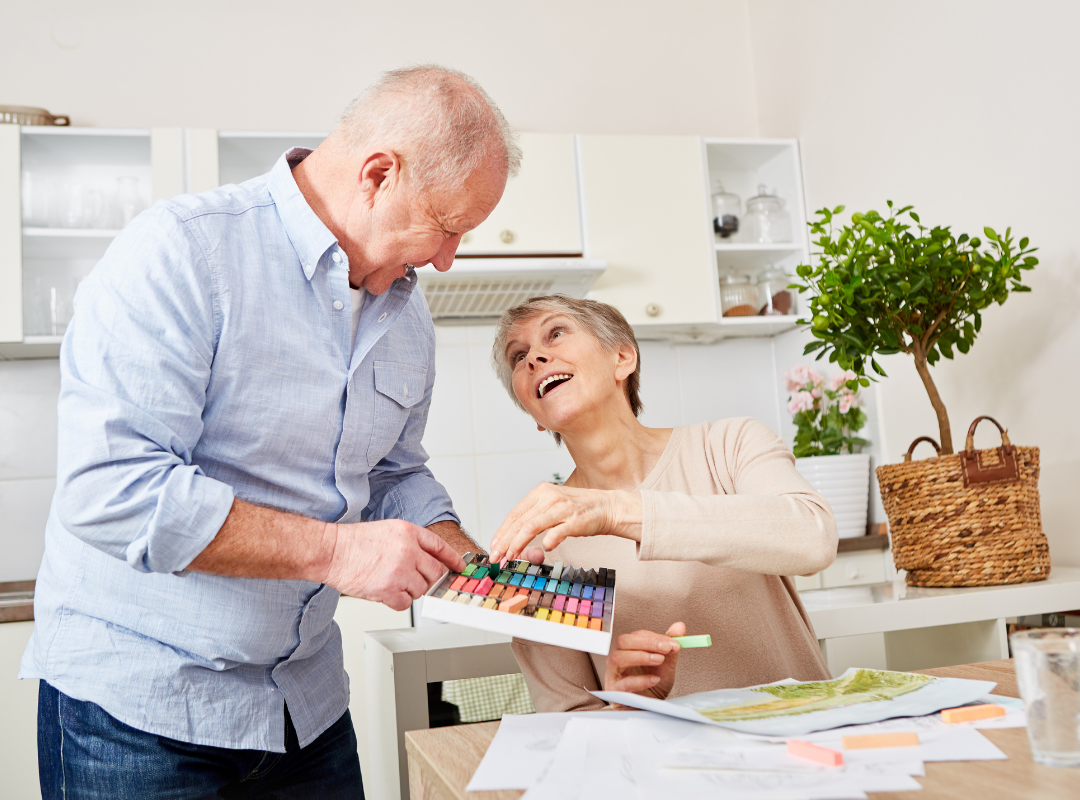
Creative and Active Living at The Gables of Green
The Gables of Green is an assisted living and memory care community in Uniontown, Ohio. Residents can take part in art classes along with yoga, balance and strength fitness classes, book club, live entertainment, Sunday movies or musical matinees, interactive lectures, Friday happy hour, and outings to local museums and restaurants. These choices offer different ways to create, move, learn, and spend time with others. You can also review the community’s amenities and activities or use the Lifestyle Assessment to consider which routines and experiences may fit you or your family member.
A calendar can show what is available, but a visit can help you understand how the activities feel in practice. You can see the setting, ask how programs are planned, and discuss how interests and changing abilities are considered. To explore daily life in person, schedule a tour or call 330-252-8188.
Frequently Asked Questions
What are the benefits of art therapy for older adults?
Art therapy may support emotional expression, cognitive engagement, social connection, self-awareness, and a sense of accomplishment. It can provide another form of communication when thoughts or emotions are difficult to express with words. The creative process may also encourage choice, reflection, and personal meaning. Benefits differ by individual, and art therapy should not be viewed as a guaranteed treatment outcome.
Do seniors need artistic experience to participate in art activities?
No, seniors do not need previous artistic experience. Creative activities can focus on exploration, personal choice, and enjoyment instead of technical skill. Projects can be adjusted around each person’s interests, abilities, and preferred pace. A supportive setting helps participants feel free to experiment without worrying about producing perfect artwork.
How can art projects support social connection in assisted living?
Art projects create a shared activity that can make conversation easier. Residents may exchange materials, discuss colors, remember related experiences, or work together on a group display. People can participate by creating, choosing, observing, or talking, so involvement does not need to look the same for everyone. This flexibility can help residents connect at a level that feels comfortable.
What types of art activities are suitable for seniors with limited mobility?
Suitable options may include collage, watercolor painting, stamping, guided drawing, and projects using soft modeling materials. Larger tools, secured paper, comfortable seating, and materials placed within reach can make the activity more accessible. The pace and instructions can also be adjusted according to energy, hand movement, vision, or attention. Personal interest should guide the final choice.
How can families compare art programs with other fun activities and senior fitness classes?
Families can compare programs by reviewing their variety, accessibility, frequency, leadership, and fit with the older adult’s interests. Creative activities and fitness classes serve different purposes, so one does not need to replace the other. Ask how activities are adapted, whether residents have meaningful choices, and how the calendar balances creative, physical, social, and educational opportunities. A visit can also show how residents are invited and supported to participate.