330.252.8188
 Uniontown, OH
 330.252.8188
 Uniontown, OH


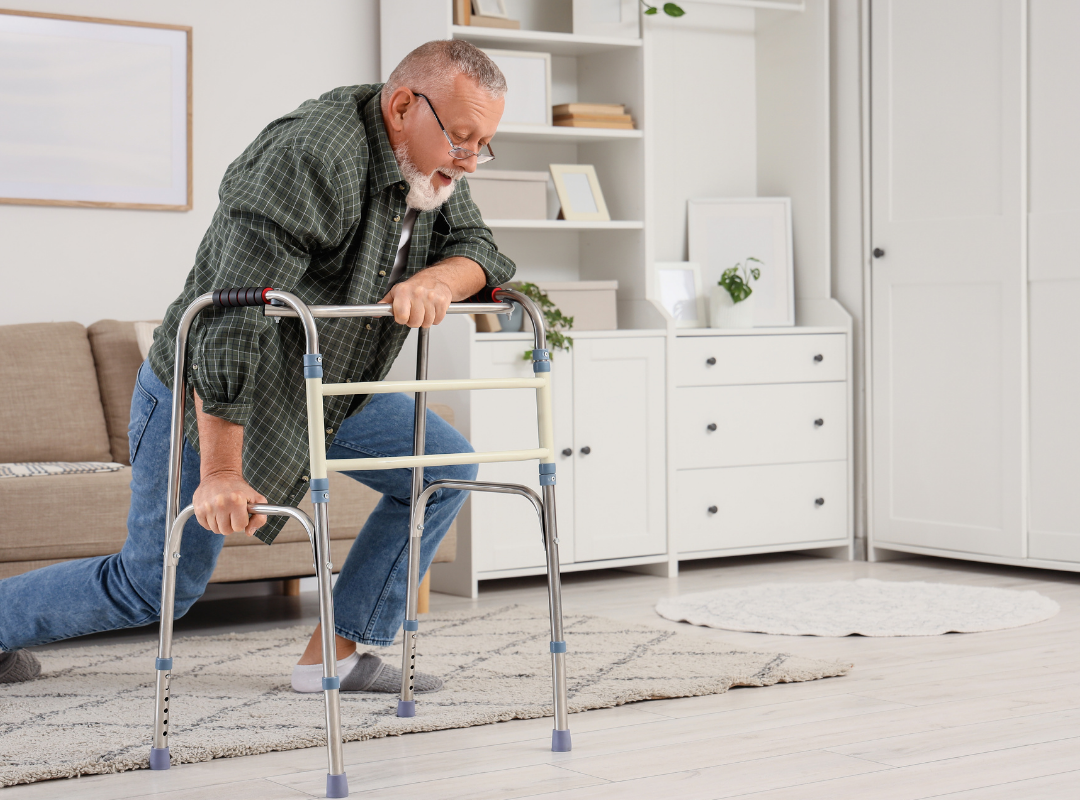
Learning how to prevent falls in the elderly starts with addressing both the person and the environment. Families can reduce fall risks by clearing walking paths, improving lighting, choosing safer footwear, encouraging appropriate strength and balance activities, and discussing medications or health changes with a qualified professional.
Falls rarely have only one cause. A loose rug may create an immediate hazard, while muscle weakness, dizziness, poor vision, medication side effects, or changes in mobility may also make an older adult less steady.
Key Takeaway: A practical fall-prevention plan combines safer surroundings with attention to the older adult’s health, mobility, medications, and individual abilities.
Identify What May Be Increasing Fall Risk
Before making changes, consider why the older adult may be at risk. This helps families focus on the most useful precautions rather than relying on a general checklist alone.
Potential warning signs and risk factors include:
- A previous fall or repeated near-falls
- Feeling unsteady while standing or walking
- Difficulty rising from a chair
- Muscle weakness or reduced mobility
- Dizziness, lightheadedness, or fainting
- Changes in vision or hearing
- Foot pain or poorly fitting shoes
- Medications that cause drowsiness or affect balance
- Clutter, loose rugs, cords, or uneven flooring
- Fear of falling leads to less physical activity
- Memory or judgment changes that affect safe movement
Older adults and their families should report falls, near-falls, dizziness, and changes in walking to a healthcare professional. A clinician may review health conditions, medications, strength, balance, and gait to identify concerns that household changes alone may not address.
The CDC’s STEADI fall-prevention resources provide additional information for older adults, caregivers, and healthcare professionals.
Make Everyday Changes to Reduce Fall Risks at Home
Families can make many useful changes without redesigning the entire home. Begin with the spaces the older adult uses most often, especially routes between the bedroom, bathroom, kitchen, and living room.
Clear walking paths
Remove shoes, boxes, electrical cords, small furniture, and other objects from regular walking routes. Arrange furniture so the older adult can move through each room without squeezing through narrow gaps or making sudden turns.
Also consider less obvious hazards. Pet toys, food bowls, and animals moving underfoot can create unexpected obstacles.
Secure rugs and uneven surfaces
Remove loose throw rugs when practical. Rugs that remain should lie flat and have nonslip backing.
Repair damaged carpet, loose floorboards, and uneven surfaces. Clean spills promptly, particularly in kitchens and bathrooms.
Improve lighting
Use bright, even lighting in hallways, stairways, bedrooms, bathrooms, and entrances. Place light switches where they can be reached before entering a dark area.
Night-lights can improve visibility between the bedroom and bathroom. Keeping a lamp or flashlight within reach of the bed can also help when an older adult needs to get up at night.
The National Institute on Aging’s room-by-room fall-prevention guidance recommends keeping cords away from walking paths, arranging furniture to remove obstacles, and storing frequently used items within easy reach.
Keep everyday items within reach
Store clothing, dishes, toiletries, and other frequently used belongings where the older adult can reach them without climbing, bending deeply, or stretching overhead.
Choose stable chairs with supportive backs, armrests, and a seat height that makes sitting and standing easier.
Improve bathroom and stair safety
Bathrooms may benefit from nonslip surfaces and properly installed grab bars near the toilet, tub, or shower. Stairs should have secure handrails, adequate lighting, and clearly visible edges.
The National Institute on Aging’s home safety recommendations include improving stair lighting, securing carpets, reducing slippery surfaces, and installing grab bars where appropriate.
A physical or occupational therapist can help a family determine which equipment or home modifications fit an older adult’s individual needs.
Choose safer footwear
Properly fitting, sturdy shoes with flat, nonskid soles generally offer more stability than loose slippers, high heels, slick-soled shoes, or walking in socks. Replace worn footwear that no longer provides reliable support or traction.
Mayo Clinic’s fall-prevention guidance also recommends considering footwear, physical activity, lighting, home hazards, and assistive devices as parts of a broader prevention plan.
Use Movement to Support Strength, Balance, and Coordination
Appropriate physical activity can help older adults maintain the strength, flexibility, coordination, and balance needed for everyday movement. However, the right fall prevention exercises for seniors depend on the person’s health, mobility, confidence, and ability to recover from a loss of balance.
There is no single best balance exercise for every senior. Someone who walks independently may need a different routine from someone who uses a walker, has recently fallen, or needs help standing from a chair.
The following are general movement categories rather than a prescribed exercise routine:
| Exercise category | What it may support | Safer setup | Seek guidance first when |
| Supported sit-to-stand practice | Leg strength and the ability to rise from a chair | Use a firm chair that will not slide and keep stable support nearby | The person needs substantial help, becomes dizzy, or cannot control the movement |
| Supported heel raises | Ankle and lower-leg strength | Hold a fixed counter or another sturdy support | Standing causes pain or the person cannot remain upright safely |
| Gentle weight shifts | Controlled movement and awareness of balance | Use stable support on both sides when needed | The person loses balance while shifting weight |
| Seated or supported marching | Hip movement, coordination, and lower-body activity | Sit in a stable chair or stand only with suitable support | The movement causes pain, dizziness, breathlessness, or instability |
| Appropriately modified yoga or tai chi | Controlled movement, flexibility, and body awareness | Choose an instruction suited to the person’s current ability | Significant health, mobility, or balance concerns are present |
The CDC’s patient and caregiver resources include fall-prevention materials, a home safety checklist, and a chair-rise exercise resource. The National Institute on Aging’s guidance on falls and fractures also recommends choosing a physical activity program that is appropriate for the individual.
Balance Exercises for Seniors With Limited Mobility
Limited mobility does not necessarily mean avoiding movement. It does mean that activities should be selected and adapted carefully.
Depending on the person’s abilities and professional guidance, possible activities may include:
- Maintaining an upright seated posture with both feet supported
- Shifting weight gently from one side to the other while seated
- Alternately lifting each foot in a controlled seated march
- Moving the ankles through a comfortable range
- Reaching a short distance while remaining stable in a supportive chair
- Practicing standing from a firm chair when it has been determined safe
Seated activities are not automatically appropriate for every older adult. Pain, recent surgery, cardiovascular conditions, breathing problems, neurological symptoms, or other health concerns may require individualized advice.
An older adult who must grip furniture tightly, be pulled upright, or rely on another person to prevent a fall should not continue the activity without professional guidance.
Perform Balance Exercises More Safely
A safe setup is as important as the movement itself. Older adults should use activities suited to their current abilities rather than attempting a routine simply because it is described as easy or beginner-friendly.
Helpful precautions include:
- Use a fixed counter, secured railing, or another sturdy support.
- Do not depend on a folding table, lightweight chair, or rolling furniture.
- Remove rugs, cords, and clutter from the exercise area.
- Use bright, even lighting.
- Wear secure, properly fitting shoes.
- Keep a phone or alert device accessible.
- Ask another person to stay nearby when independent balance recovery is uncertain.
- Begin with a comfortable range of movement.
- Avoid exercising when unusually dizzy, weak, ill, or affected by a new medication reaction.
Stop the activity if it causes pain, faintness, chest discomfort, severe shortness of breath, sudden weakness, or an abrupt change in coordination. Sudden or severe symptoms require prompt medical attention.
Fear of falling should also be taken seriously. Avoiding all activity may contribute to further weakness, but pushing through unsafe movements can create unnecessary risk. A physical therapist or another qualified professional can recommend a safer starting point.
Review Medications, Health, Vision, and Hearing
Home changes and exercise may not address health-related causes of unsteadiness. Fall risk should be discussed during healthcare appointments, especially after a fall, near-fall, or noticeable change in mobility.
Before an appointment, an older adult or family caregiver can note:
- When and where a fall or near-fall occurred
- What the person was doing at the time
- Whether dizziness, pain, weakness, or confusion was present
- Recent medication changes
- Changes in vision, hearing, sensation, or walking
- Whether the person has started holding walls or furniture for support
- Whether the fear of falling has reduced normal activity
Ask a physician or pharmacist to review medications that may contribute to drowsiness, dizziness, low blood pressure, or poor coordination. Do not stop or change a prescription without guidance from the prescribing professional.
Vision and hearing care may also be part of a prevention plan. Changes in sight or hearing can make it more difficult to recognize obstacles and understand the surrounding environment.
Mayo Clinic’s fall-prevention recommendations advise discussing medications, previous falls, health conditions, balance, and walking with a healthcare professional.
A qualified professional can also determine whether a cane, walker, or other assistive device may be appropriate. These devices should be properly selected and fitted rather than borrowed or chosen solely from general online advice.
Know When to Ask a Qualified Professional for Help
An older adult should ask for individualized help creating a fall-prevention routine when:
- A fall or repeated near-fall has occurred.
- The person feels unsteady while standing or walking.
- Mobility has recently changed.
- Dizziness, fainting, weakness, or numbness occur.
- Fear of falling has reduced normal activities.
- The person uses or may need a cane or walker.
- The person cannot rise from a chair safely.
- Memory or judgment changes affect safe movement.
- Another person is needed to prevent loss of balance.
- The family is unsure how to modify the home.
- Significant health conditions may affect exercise safety.
Different professionals can address different concerns. A primary care clinician can evaluate health-related risks, while a pharmacist can review medications. A physical therapist may assess strength, balance, and walking. An occupational therapist may recommend safer ways to complete everyday tasks or modify the home.
The CDC’s STEADI clinical resources are designed to help healthcare professionals screen for fall risk, assess contributing factors, and identify appropriate interventions.
Consider Whether Daily Support Is Part of the Safety Plan
Home modifications and occasional reminders may no longer be enough when an older adult increasingly needs help with bathing, dressing, medication routines, housekeeping, transportation, or other daily activities.
In these situations, families may consider whether a more supportive living environment would make daily routines easier to manage. That decision should reflect the older adult’s overall care needs, preferences, health, and ability to move through the day safely rather than one isolated concern.
The Gables of Green offers Assisted Living and Memory Care in Uniontown, Ohio. Approved support includes assistance with bathing, dressing, and medication management, along with housekeeping, laundry, maintenance, scheduled transportation, and access to 24-hour nursing staff.
Residents may also participate in community amenities and activities, including yoga and balance and strength fitness classes. Participation should reflect each resident’s abilities and any guidance provided by qualified healthcare professionals.

Take One Safer Step at a Time
Fall prevention does not require changing everything in one day. Begin with the most immediate concern, such as clearing a walking path, improving nighttime lighting, checking footwear, or scheduling a conversation with a healthcare professional.
When safety concerns appear alongside a growing need for help with everyday routines, families can complete the senior care assessment to consider whether additional daily support may be appropriate.
Families already exploring Assisted Living or Memory Care can also schedule a tour of The Gables of Green to learn more about the community.