330.252.8188
 Uniontown, OH
 330.252.8188
 Uniontown, OH


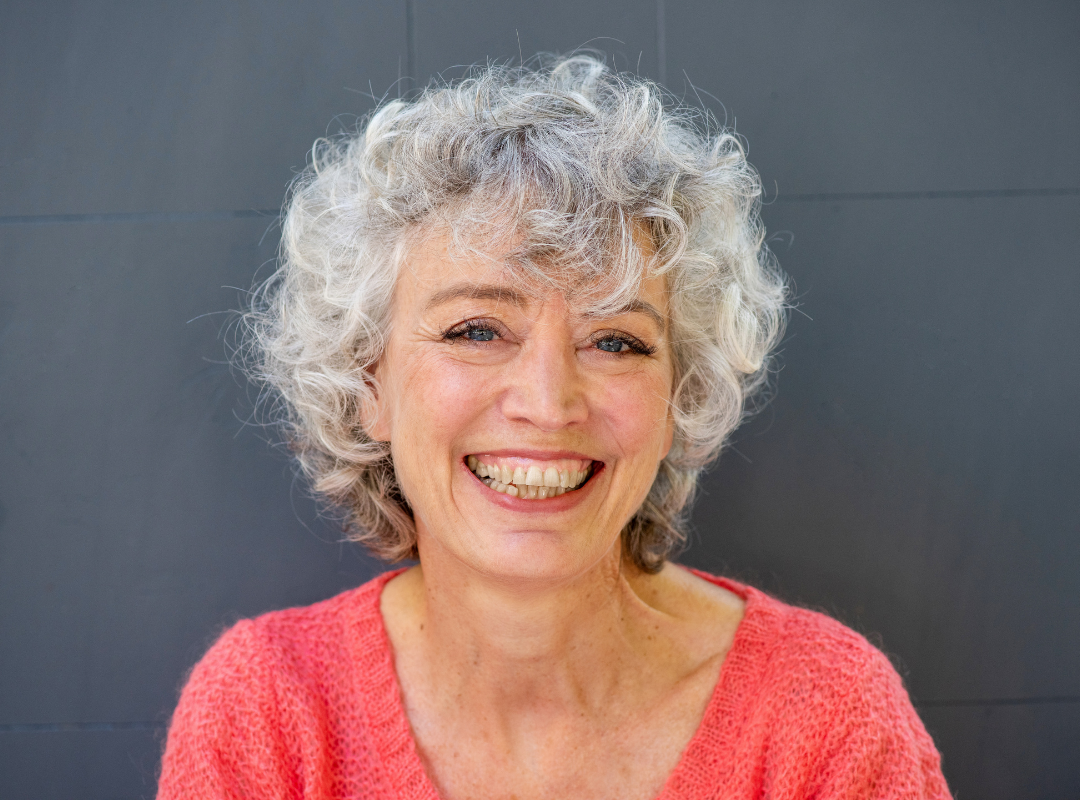
The best hairstyles for older women work with your natural texture, complement your features, fit your daily routine, and help you feel like yourself. Soft pixies, bobs, shoulder-length layers, curls, waves, and longer face-framing cuts can all be flattering when the style is shaped around your hair and preferences.
Choosing a haircut can feel difficult when you are comparing appearance, upkeep, comfort, and salon visits at the same time. At The Gables of Green in Uniontown, Ohio, personal style can remain part of an active and supported routine. The ideas below will help you compare hair lengths, understand maintenance needs, and prepare for your next salon conversation.
What Makes a Hairstyle Flattering and Easy to Maintain?
A flattering hairstyle feels balanced with your features and natural hair. An easy hairstyle fits the amount of washing, drying, brushing, and styling you are comfortable doing. Those two qualities are personal, so age alone should never decide your haircut.
A simple way to narrow your choices is the Texture, Time, and Taste Framework:
- Texture: What does your hair naturally do when it dries?
- Time: How much daily styling and salon upkeep do you prefer?
- Taste: Which shapes, lengths, and finishes feel most like you?
Start With Your Natural Hair
Straight, wavy, curly, and coily hair respond differently to layers, fringe, and length. Your hair may also be fine, thick, dense, or lower in density. A cut that follows its natural movement may be easier to maintain because you spend less time trying to make your hair behave in a completely different way.
Consider Your Daily Routine
Think about how long you like to spend getting ready and which tools you are comfortable using. A style that air-dries well may suit you better than one that needs a round brush and dryer every morning. You should also ask how often the cut needs reshaping, since some short styles require more frequent salon appointments than medium or long styles.
Choose the Features You Want to Emphasize
Face-framing layers, soft fringe, added height, and movement can draw attention to different features. You might prefer a clean shape around the jaw, softness near the cheeks, or volume around the crown. Your stylist can adjust the same basic haircut to create a result that feels more personal.
Best Hairstyles for Older Women at a Glance
The right haircut depends on how your hair behaves and how much upkeep you enjoy. This comparison offers a practical starting point before you look more closely at each style.
| Hairstyle | May Work Well For | Typical Maintenance | Main Benefit |
| Soft pixie cut | Those who prefer short, lightweight hair | Regular shaping | Simple daily styling |
| Textured crop | Straight, wavy, or curly hair with natural movement | Low to moderate | Definition and texture |
| Classic bob | Fine, medium-density, straight, or wavy hair | Moderate | Polished versatility |
| Layered bob | Hair that benefits from shape and movement | Moderate | Soft dimension |
| Long bob or lob | Those who want flexibility without long hair | Moderate | Several styling options |
| Shoulder-length layers | Those who want to keep some length | Moderate | Movement and face framing |
| Soft waves | Naturally wavy or easily styled hair | Moderate | Relaxed texture |
| Curly layered cut | Naturally curly or coily hair | Varies by routine | Supports curl shape |
| Long face-framing layers | Those who enjoy longer hair | Moderate | Refreshes length |
| Side-swept or curtain fringe | Short, medium, or long styles | Regular fringe trims | Frames the face |
Maintenance varies with your texture and how exact you want the shape to remain. A smooth bob may need more styling than a naturally wavy bob, while a short pixie may be quick each morning but need regular trimming.
Short Hairstyles That Balance Style and Simplicity
Short haircuts for elderly women can feel light, polished, and comfortable. They may reduce washing and drying time, but they are not automatically maintenance-free. Closely shaped styles often need salon visits to keep their outline.
Soft Pixie Cut
A soft pixie keeps the sides and back short while leaving enough length on top for movement. You can wear it smooth, lightly tousled, or swept to one side. It is a practical choice when you prefer less hair to wash and dry but still want styling flexibility.
Textured Crop
A textured crop uses varied lengths to create movement and definition. It can work with straight, wavy, or curly hair, depending on how the layers are placed. The result can look neat and shaped or relaxed and piecey.
Classic or Graduated Bob
A classic bob creates a clear shape around the chin or slightly below it. A graduated version is shorter at the back and longer toward the front, which can add structure. Talk with your stylist about how much graduation will suit your hair density and preferred level of upkeep.
Layered Short Bob
A layered short bob adds movement without taking the hair as short as a pixie. Gentle layers may help a thick cut feel lighter, while careful placement can protect fullness in fine hair. This style can be worn smooth, softly curled, or with natural waves.
Medium-Length Hairstyles for Flexibility and Movement
Medium-length hair offers a useful balance. You keep enough length to tuck behind your ears, add waves, or pull some of it back, while avoiding the detangling and drying time that may come with very long hair.
Long Bob or Lob
A long bob usually falls between the chin and the collarbone. It works with straight finishes, soft waves, and natural texture. You may appreciate this cut if you want the shape of a bob but are not ready for a shorter length.
Shoulder-Length Layers
Shoulder-length layers create movement while keeping a familiar amount of hair. Face-framing pieces can soften the front, while longer layers through the rest of the cut help preserve fullness. The exact layer placement should reflect whether your hair is fine, thick, straight, or textured.
Curly Mid-Length Cut
A mid-length curly cut gives curls room to form without becoming too heavy. Your stylist should consider curl pattern, density, and shrinkage before choosing the finished length. This matters because curly hair may appear much shorter after it dries.
Soft Shag or Feathered Layers
A soft shag uses layers to create an airy, relaxed shape. Feathered layers offer a smoother version with movement around the face and ends. Both can add personality, but too many short layers may make fine hair look less full, so customization matters.
Longer Hairstyles That Remain Manageable and Polished
Longer hair can remain attractive and practical when you enjoy the length, feel comfortable maintaining it, and choose a shape that keeps it from feeling heavy or undefined.
Long Layers With Face-Framing Pieces
Long layers refresh the shape while preserving overall length. Face-framing pieces can begin near the cheekbones, jaw, or lower, depending on the effect you want. Fine hair may need fewer layers, while thicker hair may benefit from more weight removal.
Soft Waves With a Side or Center Part
Soft waves add movement to longer hair without requiring a highly structured cut. Changing from a center part to a side part can also alter the shape around your face. Natural waves may need only light styling, while straighter hair may require more time or heat tools.
Low Ponytail, Twist, or Simple Updo
A low ponytail, loose twist, or simple updo can keep longer hair controlled during errands, activities, or warmer days. Choose accessories that feel secure without pulling tightly. The American Academy of Dermatology explains that hairstyles that repeatedly pull on the hair can contribute to traction alopecia, so comfort should guide how firmly you secure it.
Haircuts for Women Over 70 Based on Everyday Needs
Good haircuts for women over 70 should fit your daily routine. Your best option may depend on whether you want minimal morning styling, enough length to pull back, or a cut that is easier to manage with limited reach or hand movement.
When You Want Minimal Daily Styling
A soft pixie, textured crop, layered bob, or curl-supporting short cut may reduce daily brushing and drying. Ask how the style behaves without heat tools and whether it can air-dry into a presentable shape. A quick morning routine may come with more regular trimming, so consider both daily and long-term maintenance.
When You Want to Keep Some Length
A chin-length bob, lob, shoulder-length layers, or longer face-framing cut lets you refresh your appearance without a dramatic change. Keeping some length also gives you options for tucking the hair behind your ears or tying it back. This can make the transition to a new style feel more comfortable.
When Hand or Shoulder Movement Is Limited
An air-dry-friendly haircut can be useful when holding a dryer, reaching the back of your head, or using a round brush feels tiring. Ask your stylist to demonstrate one simple technique you can repeat comfortably. You may also prefer a shape that stays neat without frequent curling or straightening.
When You Wear Glasses or Hearing Devices
Hair should sit comfortably around anything you wear near your ears. A heavy side section or fringe may interfere with glasses, while extra bulk around the ears may feel uncomfortable with a hearing device. Bring your glasses or wear your usual devices during the appointment so the stylist can check the finished shape.
How to Choose Between Short, Medium, and Long Hair
There is no single best hair length for older women. Short hair may simplify washing and drying, medium hair offers styling flexibility, and long hair can work well when you enjoy the length and feel comfortable maintaining it.
Use these questions to make the choice more practical:
- Does the length work with your natural texture?
- Can you wash and style it comfortably?
- Are you comfortable with its trim schedule?
- Does it sit well with glasses or hearing devices?
- Does the finished look still feel like you?
Short hair may suit you if you like a defined shape and do not mind regular trims. Medium hair may be a good middle ground when you want movement and styling options. Longer hair remains a good choice when you enjoy ponytails, twists, waves, or flowing layers and are comfortable with the care involved.
Hairstyles for Fine, Thinning, Gray, Curly, and Textured Hair
Hair characteristics often matter more than age when choosing a cut. Density, strand thickness, curl pattern, and natural color all affect how a hairstyle falls and how much work it requires.
Fine or Lower-Density Hair
Blunt ends and carefully placed layers may help fine hair keep a stronger outline. Too many short layers can remove fullness, so ask your stylist where movement can be added without thinning the shape. The American Academy of Dermatology states that people commonly shed between 50 and 100 hairs each day; sudden or unexplained changes can be discussed with a qualified healthcare professional.
Gray, Silver, or White Hair
Gray and silver hair can look striking in pixies, bobs, curls, and long layers. The National Institutes of Health explains how changes in pigment-producing stem cells contribute to gray hair, though the timing and pattern vary. You may embrace your natural color or continue professional coloring, and your stylist can choose a shape and layer pattern that highlights both the color and your hair’s movement.
Curly, Coily, or Wavy Hair
Curly, coily, and wavy hair should be cut with its natural pattern in mind. Ask whether your stylist accounts for shrinkage and whether the cut is planned for air-drying, diffusing, or another preferred method. A layered curly cut can support shape, but the wrong layer length may create unwanted bulk or reduce fullness.
What to Ask Your Hairstylist Before the Cut
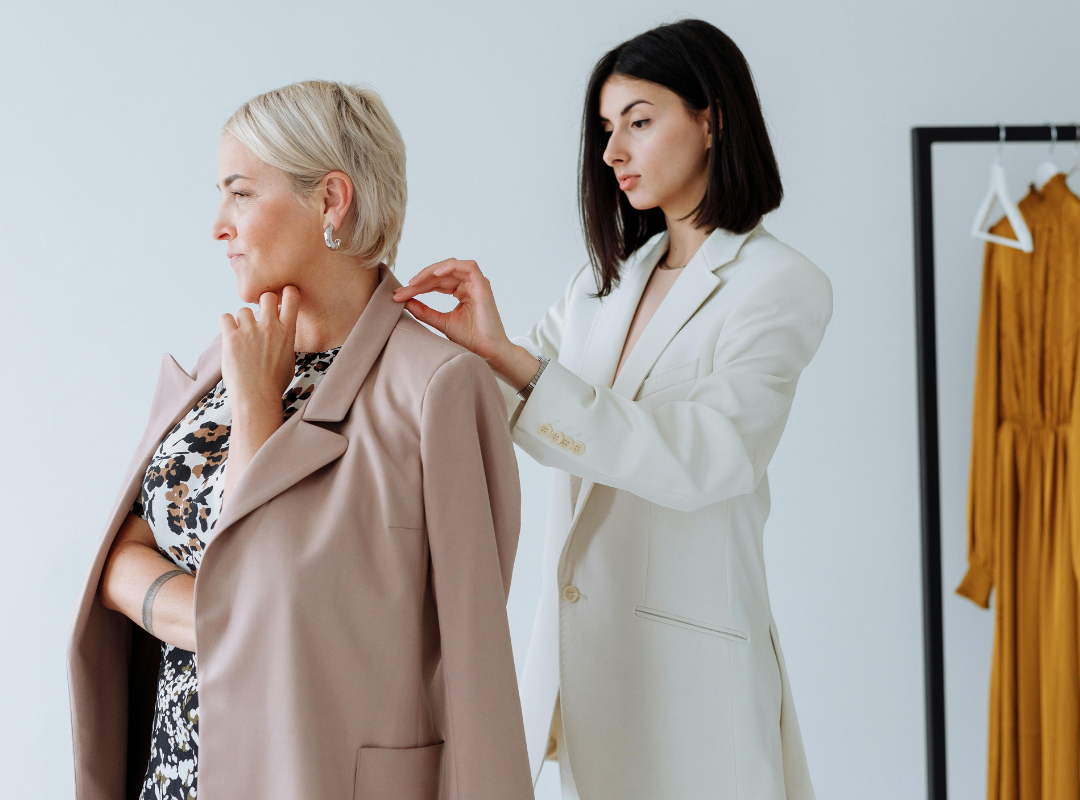
A good reference image is useful, but a clear conversation is even more valuable. Two people can request the same bob or pixie and need very different versions because their texture, density, and routines differ.
Ask your stylist:
- How will this cut work with my natural texture?
- Can it air-dry well, and how often will it need trimming?
- Can I still tuck it behind my ears or pull part of it back?
- How will the fringe or shorter layers grow out?
- Can you show me one simple way to style it at home?
Bring two or three hairstyles for elderly women pictures that show what you like. It can also help to bring an image of what you do not want. Point out the length, fringe, volume, or shape you prefer so your stylist knows which parts of the picture matter most.
Hairstyle Inspiration Gallery
Look for reference photos that show a range of short and softly layered styles, classic bobs, medium-length cuts, natural curls, longer layers, and gray or silver hair. Compare the front, side, and back of each cut when possible. Images that show hair with a texture and density similar to yours will give your stylist a more realistic starting point.
Style and Personal Care at The Gables of Green
Personal style can remain an enjoyable part of your routine at every stage of life. The Gables of Green has an on-site salon/barber and other community amenities that can make grooming more convenient. Scheduled transportation is also available for errands, appointments, and local attractions.
Residents can take part in Friday happy hour, live entertainment, Sunday movies or musical matinees, book club, art classes, and museum or restaurant outings. You can also explore more senior lifestyle resources for ideas that support daily interests, connection, and well-being.
The community offers Assisted Living and Memory Care, along with personalized help with bathing, dressing, and medication management. Housekeeping, laundry, and maintenance services are also included. These forms of support can leave more room in the day for personal routines, interests, and social opportunities.
The most flattering haircut is one that respects your natural hair, feels comfortable to manage, and reflects how you want to present yourself. Start with texture, time, and taste, then work with your stylist to adapt the length and shape to you.
To explore a community where personal care and everyday lifestyle amenities come together, take the Lifestyle Assessment or plan a visit to The Gables of Green. You can also contact the community to ask about Assisted Living, Memory Care, amenities, or daily life in Uniontown.
Frequently Asked Questions
What is the most flattering haircut for an older woman?
The most flattering haircut is one that suits your texture, density, features, and daily routine. Soft pixies, bobs, lobs, curls, and layered cuts can all work well when tailored to the individual. Face-framing pieces or gentle movement may create a refreshed shape without requiring a dramatic change. Choose a style that feels comfortable and reflects your personal taste.
What is a good hairstyle for a 70-year-old woman?
A good hairstyle for a 70-year-old woman may be a soft pixie, layered bob, lob, shoulder-length cut, curly style, or longer layered look. The best choice depends on how your hair naturally behaves and how much styling you enjoy. Consider whether the cut can air-dry well and how often it needs trimming. Your preferred routine should guide the final choice.
What hair length is best for older women?
No single hair length is best for every older woman. Short hair can reduce washing and drying time, medium hair provides flexibility, and long hair works well for those who enjoy maintaining it. Your comfort, natural texture, and preferred routine are more useful guides than age. The right length should feel manageable and true to your style.
What hair makes older women look younger?
Soft movement, face-framing layers, a clear shape, and a style that suits your features may create a fresh appearance. You do not need to choose a haircut solely to look younger. A well-fitted style often looks more natural than one selected only because it is considered youthful. Confidence and comfort can make the finished look feel more polished.