330.252.8188
 Uniontown, OH
 330.252.8188
 Uniontown, OH



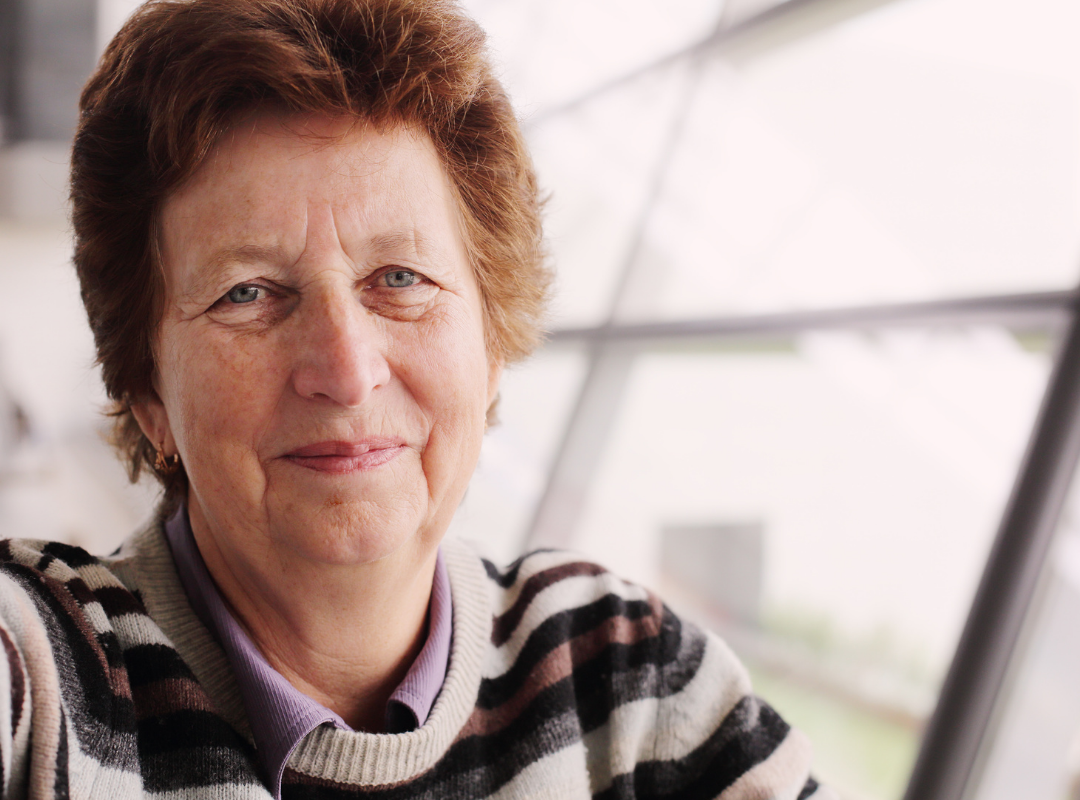
The best haircuts for women over 70 suit your natural texture, feel comfortable, require a manageable amount of care, and reflect how you want to look. A soft pixie, textured crop, bob, layered shoulder-length cut, or natural curly style can all be excellent choices. Age alone does not determine the right haircut.
A new style may make your routine easier or give you a fresh sense of confidence, but it should still feel familiar and personal. Comparing length, styling time, salon upkeep, and daily comfort can help you choose a haircut that works beyond the first day.
What Makes a Haircut Work Well After 70?
A haircut works well when it fits your hair as it is today and feels realistic for your routine. Hair texture, density, preferred length, styling effort, and comfort usually matter more than age or current trends.
Hair can change over time. MedlinePlus explains that aging may slow hair growth and cause individual strands to become finer. These changes may affect how a familiar haircut falls, holds its shape, or responds to styling.
Natural Hair Texture and Density
Straight, wavy, curly, fine, thinning, and fuller hair behave differently. A layered cut may give fuller hair more movement, while carefully placed layers can keep finer hair from looking weighed down. Curly and wavy hair often benefits from a shape that follows its natural pattern. A recent clinical review of female pattern hair loss reports that it affects an estimated 41% to 50% of women age 70 and older, although individual experiences vary.
Daily Styling and Salon Maintenance
Think about both home styling and professional upkeep. A pixie may take little time to wash and dry, yet it may need regular shaping to keep its outline. A longer layered cut might take more time to brush or dry but can grow out more gradually between appointments. The best choice is one that matches the effort you genuinely want to give it.
Comfort, Dexterity, and Personal Routine
Consider how easily you can wash, brush, dry, and arrange your hair. Glasses, sensitivity around the ears or neck, comfort holding styling tools, and whether you prefer to air-dry can all affect your decision. Gentle care also matters because changes in hair texture can contribute to breakage and make repeated brushing or heavy heat styling less comfortable.
Sudden or unexplained hair loss may need professional evaluation. The American Academy of Dermatology recommends seeing a board-certified dermatologist because effective treatment begins with identifying the cause.
Seven Easy Haircuts for Women Over 70
The best hairstyles for older women are not limited to one length or shape. These seven options offer different balances of comfort, flexibility, and upkeep.
Soft Pixie Cut
A soft pixie keeps the hair short while leaving enough length for gentle movement around the top, sides, or fringe. It dries quickly and may be easier to brush, but the shape usually needs to be refreshed regularly.
Long Pixie With Side-Swept Layers
A long pixie offers more flexibility than a closely cropped cut. Longer pieces on top or around the face can be swept to the side, tucked back, or styled with a small amount of product.
Textured Crop
A textured crop uses short layers to create movement and keep the shape from feeling stiff. It can work with straight, wavy, or fine-looking hair, depending on how the texture and layers are placed.
Classic Chin-Length Bob
A chin-length bob gives the hair a clear outline without cutting it extremely short. It may suit you if you want a polished shape that can still be tucked behind your ears.
Layered Bob
A layered bob has more movement than a one-length cut. Thoughtful layering can remove weight from fuller hair or create softness around the face, although the exact placement should reflect your texture and density.
Shoulder-Length Cut With Soft Layers
A shoulder-length style lets you retain familiar length while adding shape. It may be easier to tuck back or secure loosely, making it a practical choice if you want more flexibility than a short haircut provides.
Naturally Curly or Wavy Cut
A well-shaped curly or wavy cut works with your natural pattern. The goal is to create a balanced outline that lets curls or waves settle comfortably without requiring you to straighten or reshape them every day.
Compare Haircut Lengths, Styling Effort, and Upkeep
Haircut length does not always predict how easy a style will be. A short cut may simplify washing and drying but require frequent shaping, while a longer cut may offer more ways to arrange it as it grows.
| Haircut option | Typical length | Daily styling effort | Upkeep considerations | May work well for |
| Soft pixie | Above the ears to ear length | Low to moderate | Regular shaping helps preserve the outline | Those who prefer very short hair |
| Long pixie | Ear length with longer top layers | Low to moderate | Longer sections may need occasional styling | Those who want short hair with flexibility |
| Textured crop | Short and layered | Low to moderate | Texture may need reshaping as it grows | Straight, wavy, or fine-looking hair |
| Chin-length bob | Around the jaw or chin | Moderate | The defined edge may need periodic trimming | Those who want structure without a crop |
| Layered bob | Chin to neck length | Low to moderate | Upkeep depends on layer placement | Hair that benefits from movement |
| Shoulder-length layers | Near the shoulders | Moderate | Often grows out more gradually | Those who prefer retaining length |
| Curly or wavy cut | Varies | Low to moderate | The shape should follow the curl pattern | Naturally textured hair |
Use the table as a starting point, not a strict rule. Hair growth, dexterity, texture, styling habits, and the shape you prefer can all change how much effort a haircut requires.
How to Choose a Haircut Based on Your Priorities
Choose your haircut by considering styling, ease, lifestyle, and feel. These four factors are often more useful than selecting a style based on age alone.
The SELF framework can help you narrow your options:
- Styling: How much time do you want to spend on your hair each day?
- Ease: Can you comfortably wash, dry, brush, and maintain the cut?
- Lifestyle: Does it suit your activities, glasses, appointments, and salon routine?
- Feel: Does the finished style still look and feel like you?
When Short Hair May Be a Good Fit
Short hair may suit you if you prefer quicker drying, less hair to brush, or a neat shape around the neckline. Remember that some short styles need more frequent professional shaping, even when daily styling is simple.
When Keeping More Length May Be Better
Keeping chin-length or shoulder-length hair can preserve a familiar look and offer more flexibility. You may appreciate being able to tuck it behind your ears, sweep it away from your face, or secure it loosely.
When to Modify a Style Instead of Replacing It
You do not need a dramatic cut to feel refreshed. Changing your part, adding a soft fringe, adjusting the outline, or introducing a few gentle layers may update your appearance while preserving the length and style you already enjoy.
Can a Haircut Help You Look More Refreshed?
A haircut may create a more refreshed appearance when it frames your features, works with your natural texture, and stays manageable between appointments. The goal does not have to be looking younger. You may simply want to look polished, comfortable, and recognizably yourself.
Face-framing pieces can bring attention toward your eyes, while a clear outline may give the overall style more shape. Layers, curls, waves, or a side-swept fringe can create softness and movement. Natural gray, silver, white, and colored hair can all work with short, medium, or longer cuts.
No haircut has the same effect on everyone. A style that looks fresh on you is one that works with your hair, supports your routine, and does not leave you fighting its shape each morning.
Bring the Right Information to Your Stylist
A reference picture is most useful when the person shown has hair that resembles your own. Choose several images with a similar texture, density, curl pattern, and preferred length. When reviewing pictures of hairstyles for elderly women, look beyond the finished pose and consider what the style would require during an ordinary day.
Tell your stylist how you usually care for your hair. Helpful details include:
- Whether you air-dry or use a hair dryer
- How much styling time you want each morning
- Whether you regularly wear glasses
- How often you prefer to schedule trims
- Which areas you want kept longer or shorter
Ask what the haircut will require at home before agreeing to a major change. A simple styling demonstration can show whether the cut is realistic for you. You can also ask how the shape will grow out and whether a lower-maintenance version would give you a similar look.
Supporting Personal Choice When Helping a Loved One
The person receiving the haircut should remain at the center of the decision. Start by asking what she likes about her current style, what has become difficult, and whether she wants a noticeable change or a small update.
Avoid assuming that shorter hair is required because of age or changes in care needs. Familiar hair can be part of how someone recognizes and expresses herself. Practical concerns still matter, but they can be discussed without dismissing personal taste.
A family member or caregiver can help by collecting suitable reference photos, arranging transportation, or explaining parts of the daily routine when invited. Support works best when it protects choice and dignity.
Making Personal Care Easier at The Gables of Green
An easy haircut should support your preferred look, comfort, and daily routine. Convenient access to grooming services can make it simpler to maintain the style you choose. At The Gables of Green in Uniontown, Ohio, residents have access to an on-site salon/barber, personalized assistance with bathing and dressing, and housekeeping and laundry services. You can explore these features on the community’s amenities page.
The community provides Assisted Living and Memory Care at 2045 Franks Parkway in Uniontown. To see how the salon/barber, amenities, and everyday support come together, schedule a personal tour. You can also contact the community or call 330-252-8188 with questions before planning your visit.
Frequently Asked Questions
What is the best length hair for a 70-year-old woman?
There is no single best hair length for a 70-year-old woman. Short hair may be quicker to wash and dry, while chin-length or shoulder-length hair can offer more styling flexibility. Your natural texture, comfort, dexterity, and preferred level of upkeep should guide the decision. Choose a length that feels manageable and still looks like you.
What is the best haircut for a 75-year-old woman?
The best haircut for a 75-year-old woman is one that suits her hair texture, feels comfortable, and requires a realistic amount of care. Pixies, bobs, layered cuts, and shoulder-length styles can all work well. The right choice depends on personal taste, hair density, and daily routine. A stylist can adjust the shape to match those needs.
What hairstyle makes a 70-year-old look younger?
No single hairstyle makes every 70-year-old woman look younger. A well-shaped cut with gentle movement or face-framing detail may create a refreshed, polished appearance. Soft layers, waves, curls, or a side-swept fringe can work when they suit your natural hair. The most successful style helps you feel comfortable and confident without changing who you are.
How should a 70-year-old woman cut her hair?
A 70-year-old woman should choose a haircut based on her natural texture, preferred length, daily routine, and maintenance needs. Age does not require a specific style or length. Bring realistic reference photos and explain how much time you want to spend styling your hair. Ask your stylist to adapt the cut to your comfort, hair density, and personal preferences.