330.252.8188
 Uniontown, OH
 330.252.8188
 Uniontown, OH


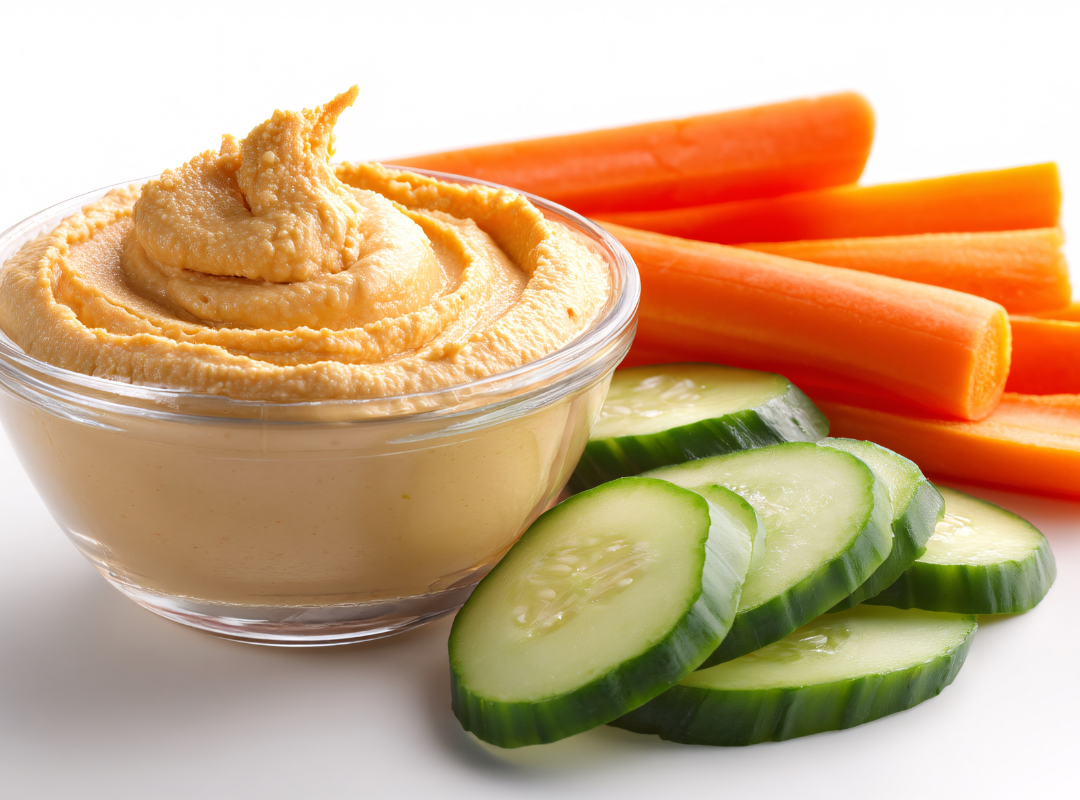
Snacks for elderly people should be nutritious, enjoyable, appropriately portioned, and easy to prepare, open, hold, and eat. Good options may combine fruit, whole grains, dairy, vegetables, or protein while accounting for the person’s appetite, chewing ability, dietary guidance, and personal preferences.
The right choice is not always the food with the healthiest-sounding label. Texture, packaging, timing, storage, and familiarity can determine whether an older adult will actually enjoy the snack. The ideas below can help you compare soft foods, packaged options, easy preparations, evening snacks, and choices for specific dietary considerations.
What Makes a Good Snack for an Older Adult?
A suitable snack for an older adult balances nutritional value with practical needs such as texture, portion size, preparation, packaging, personal preference, and individual dietary guidance.
Older adults may need fewer calories while still requiring foods that provide useful nutrients. The National Institute on Aging’s tips for choosing healthier foods encourage choosing a variety of nutrient-dense foods as part of healthy aging.
A snack should also fit naturally between meals. A large or heavy portion may reduce appetite at the next meal, while a very small snack may not satisfy hunger. The amount that works best can vary based on appetite, activity, meal timing, and personal needs.
A Simple Snack-Selection Framework
Before serving or buying a snack, ask:
- Is it easy for the person to open, hold, chew, and eat?
- Does it provide protein, fiber, vitamins, minerals, or hydration?
- Is the portion suitable for the time of day?
- Does it require more preparation than the person can manage?
- Does it fit the person’s preferences and dietary guidance?
A nutritious choice still needs to be practical. A container that is difficult to open, a portion that feels overwhelming, or a texture the person dislikes may leave the snack untouched.
Nutritious Snack Components to Combine
Combining two simple food groups can make a snack more substantial and provide a wider range of nutrients.
Examples include Greek yogurt with berries, whole-grain crackers with cheese, vegetables with hummus, oatmeal with fruit, apple slices with nut or seed butter, or crackers with canned fish. Smoothies can also bring familiar ingredients together in a form that may be easier to enjoy.
Pairing food groups can provide a mix of protein, fiber, or healthy fats. For example, fruit paired with yogurt may feel more satisfying than fruit alone, while crackers with cheese can offer more substance than crackers by themselves.
Fruit, vegetables, whole grains, dairy foods, and protein sources can contribute different nutrients to a snack. Allergies, chewing ability, swallowing needs, and dietary instructions should guide the final choice.
Soft Snacks for Seniors Who Have Difficulty Chewing
Yogurt, oatmeal, applesauce, bananas, smoothies, soft fruit, soft muffins, fruit cups, soft cheese, and well-prepared eggs are among the softer snacks families may consider.
Families often focus on whether a food is nutritious but overlook the effort needed to chew it. Raw vegetables, tough meats, hard granola bars, whole nuts, and dry crackers may be uncomfortable for someone with dental concerns or reduced chewing strength.
Moisture can make some foods easier to manage. Oatmeal can be softened with milk, fruit can be cut into small pieces, and crackers may be paired with a smooth spread or soft cheese. Familiar flavors may also encourage a person with a limited appetite to eat.
People with swallowing concerns or prescribed texture changes may need specific preparation methods. Follow instructions from the appropriate healthcare professional when these concerns are present.
Easy Snacks Seniors Can Prepare or Access
Easy snacks for seniors to make should involve few steps and remain simple to find, open, portion, and store.
Washing and cutting produce in advance can reduce daily work. Oatmeal-based muffins, smoothies, or snack mixes can be divided into individual portions. Yogurt, fruit cups, applesauce, cheese, and crackers may also work when the packaging is manageable.
Keeping familiar snacks in clear containers at eye level can make them easier to notice. Smaller containers may feel more manageable than one large package and can help with portioning.
Accessibility Matters as Much as Preparation Time
A snack may be quick to prepare but still difficult to use. Common barriers include:
- Wrappers or lids that require strong hands
- Containers that are heavy or stored out of reach
- Portions that are too large
- Foods requiring several utensils
- Unlabeled leftovers that are hard to recognize
A simple setup can support greater independence. Place frequently chosen items where they are easy to see and reach, and check that containers can be opened without unnecessary effort.
How to Compare Packaged Snacks for Elderly People
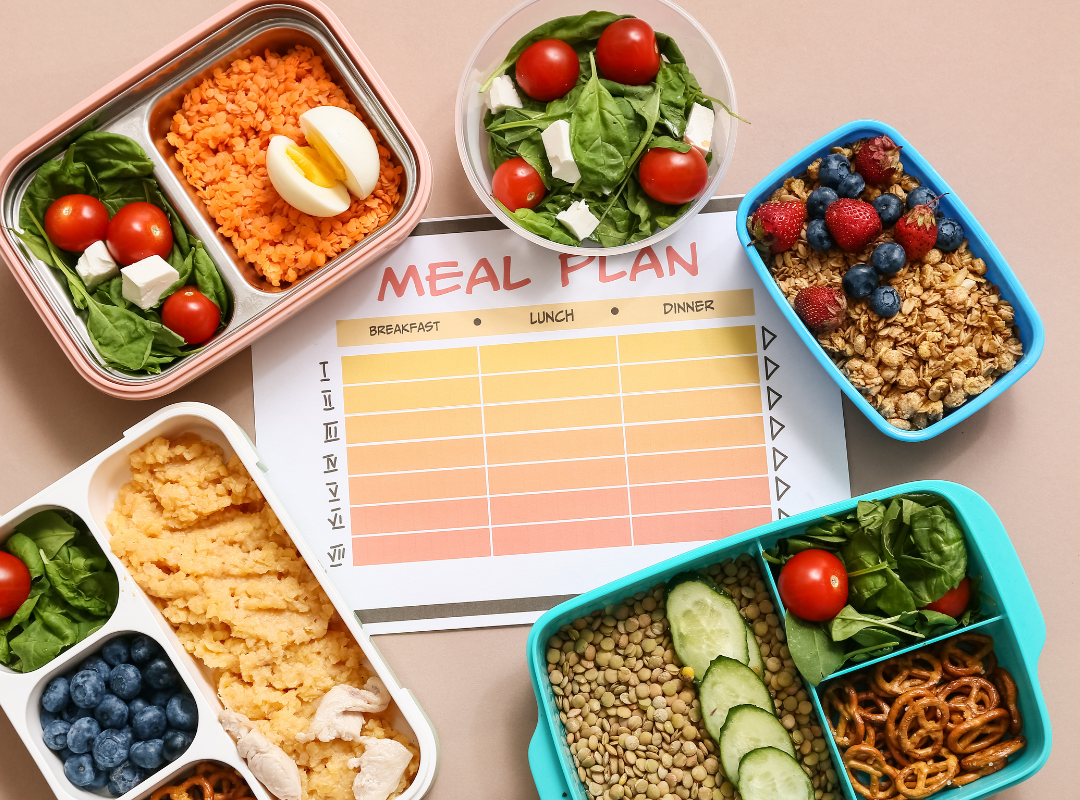
Start packaged-snack comparisons with the serving size, ingredient list, nutrition information, texture, allergens, storage needs, and ease of opening.
Packaged options may include applesauce cups, yogurt cups, whole-grain crackers, pre-portioned nuts, fruit cups, granola bars, or popcorn. These products vary widely, even when they appear similar on the front of the package.
The FDA’s Nutrition Facts Label can help you compare serving sizes, sodium, saturated fat, added sugars, fiber, and other nutrients. Check whether the listed values apply to one serving or the entire container.
Added sugars deserve a closer look when comparing sweetened yogurt, granola bars, fruit products, and similar snacks. The FDA explains that the Daily Value for added sugars is 50 grams based on a 2,000-calorie daily diet, although individual calorie and nutrition needs vary.
A package labeled “natural,” “light,” or “healthy” still requires a closer look. The texture and package design should also fit the older adult’s abilities.
Packaged Snacks in Nursing Homes and Senior Communities
Families comparing packaged snacks for seniors in nursing homes or other senior settings may want to ask how snacks are chosen, stored, offered, and adapted to dietary needs and preferences.
Nursing homes, assisted living communities, and memory care communities are different care settings. Snack routines, staffing, dining support, and available choices can differ between them.
Useful questions include whether residents can request preferred snacks, how food allergies are handled, and what happens when chewing ability or appetite changes. These practical details can matter as much as the written snack menu.
Snack Ideas by Need and Situation
Texture, preparation, storage, and meal timing can make the same snack practical in one situation and unsuitable in another.
| Need or situation | Snack examples | Practical consideration |
| Soft texture | Yogurt, oatmeal, applesauce, banana | Confirm that the texture fits the individual |
| Minimal preparation | Fruit cups, yogurt cups, cheese, crackers | Check whether the packaging is easy to open |
| More substantial snack | Yogurt with fruit, crackers with cheese, hummus with vegetables | Consider portion size and meal timing |
| Lighter evening option | Applesauce, yogurt, banana, small oatmeal portion | Keep the portion satisfying without making it a full meal |
| Shelf-stable convenience | Crackers, packaged fruit, pre-portioned mixes | Compare labels and storage instructions |
| Hydrating option | Melon, oranges, cucumber, smoothies | Consider texture and individual guidance |
Variety can make snack routines more enjoyable. Rotating familiar choices from different food groups may provide more interest without making preparation complicated.
Evening Snacks That Feel Light but Satisfying
A lighter evening snack usually works best when the portion is modest, the preparation is simple, and the food is familiar.
Possible choices include yogurt with soft fruit, applesauce, a banana, a small bowl of oatmeal, cheese with a few crackers, or a modest smoothie. Fruit paired with an appropriate protein source may also feel more satisfying than fruit alone.
The best choice depends on dinner timing, appetite, sleep routine, dietary guidance, and any instructions connected to medications. Someone who ate an early dinner may need something different from a person who finished dinner shortly before bed.
Keep portions manageable and choose foods the person already enjoys. A complicated recipe is unlikely to become part of a consistent evening routine.
Choosing Snacks for Heart-Healthy or Diabetes-Conscious Eating
Heart-healthy snacks for seniors and healthy snacks for elderly diabetics should be chosen through careful comparison, not a fixed universal food list.
Review the serving size, sodium, added sugars, fiber, protein, saturated fat, and ingredients. Portion size matters because the label may list values for less food than the person normally eats.
Foods marketed as sugar-free, low-fat, or heart-smart are not automatically the best fit. One product may be lower in added sugar but higher in sodium, while another may have a small serving size that makes comparison confusing.
Individual needs differ, especially when an older adult has more than one health condition. Follow nutrition guidance from the person’s physician, registered dietitian, or other qualified healthcare professional when a diagnosed condition affects food choices.
Supporting Better Snack Routines in Assisted Living and Memory Care
Snack support in a senior living community can involve recognizing preferences, maintaining familiar routines, providing dining assistance, and responding when a resident’s needs change.
At The Gables of Green in Uniontown, Ohio, residents have access to Assisted Living and Memory Care. The community provides dining along with 24-hour nursing staff, a Director of Nursing, and personalized assistance with daily needs and medication management.
These services may help residents who find shopping, preparation, organization, or daily routines increasingly difficult. Families can explore the community’s Assisted Living and Memory Care options to understand how support can be matched to changing needs. The Care Assessment can also help families consider whether broader daily support may be appropriate.
Dining works best when it feels connected to the person’s preferences and daily rhythm. Details about dining and community amenities can help families consider how meals and snacks fit into the broader resident experience.
For a fuller look at planning balanced daily food choices, read Meals for Seniors: Practical Ideas for Comfort and Health.
Find the Right Daily Support at The Gables of Green
The best snacks for elderly people balance nutrition with texture, convenience, portion size, personal preference, and individual dietary guidance. Choosing food that the person can comfortably access and enjoy is often more useful than following a generic list of foods labeled healthy.
If daily dining and snack routines are becoming difficult, you can Schedule a Tour to learn how Assisted Living and Memory Care support everyday needs at The Gables of Green. You may also Contact Us or call 330-252-8188 to discuss your questions with the community team.
Frequently Asked Questions
What makes a snack nutritious and easy for an older adult to eat?
A nutritious and easy snack provides useful nutrients while fitting the older adult’s physical abilities and preferences. Consider protein, fiber, vitamins, minerals, hydration, texture, portion size, and preparation needs. The package or container should also be simple to open and hold. A food is only practical when the person can comfortably access and enjoy it.
Which soft snacks may be suitable for seniors who have difficulty chewing?
Soft snacks may include yogurt, oatmeal, applesauce, bananas, smoothies, soft fruit, soft cheese, or well-prepared eggs. Moist foods may be easier to manage than hard, dry, or chewy choices. Cut food into manageable portions and follow any individualized texture instructions. A healthcare professional should guide food choices when swallowing concerns are present.
What packaged snacks should families compare for older adults or nursing home residents?
Families can compare yogurt cups, applesauce, fruit cups, crackers, granola bars, popcorn, and pre-portioned mixes. Review the serving size, sodium, added sugars, fiber, protein, allergens, texture, and storage instructions. Check whether the person can open the packaging without assistance. In a care setting, ask how staff accommodate dietary needs and individual preferences.
Which evening snacks can satisfy hunger without feeling too heavy?
A light evening snack may include yogurt with fruit, applesauce, a banana, a small serving of oatmeal, or cheese with a few crackers. The portion should satisfy hunger without becoming another full meal. Dinner timing, appetite, dietary guidance, and medication instructions may affect the choice. Familiar foods with simple preparation are often easier to include in a regular routine.
What should families consider when choosing heart-healthy or diabetes-friendly snacks for seniors?
Families should compare serving sizes, sodium, added sugars, saturated fat, fiber, protein, and ingredients. Claims on the front of a package do not provide the full picture. Portion size and the older adult’s complete eating pattern also matter. Follow individualized advice from a qualified healthcare or nutrition professional when heart disease, diabetes, or another condition affects food choices.