330.252.8188
 Uniontown, OH
 330.252.8188
 Uniontown, OH


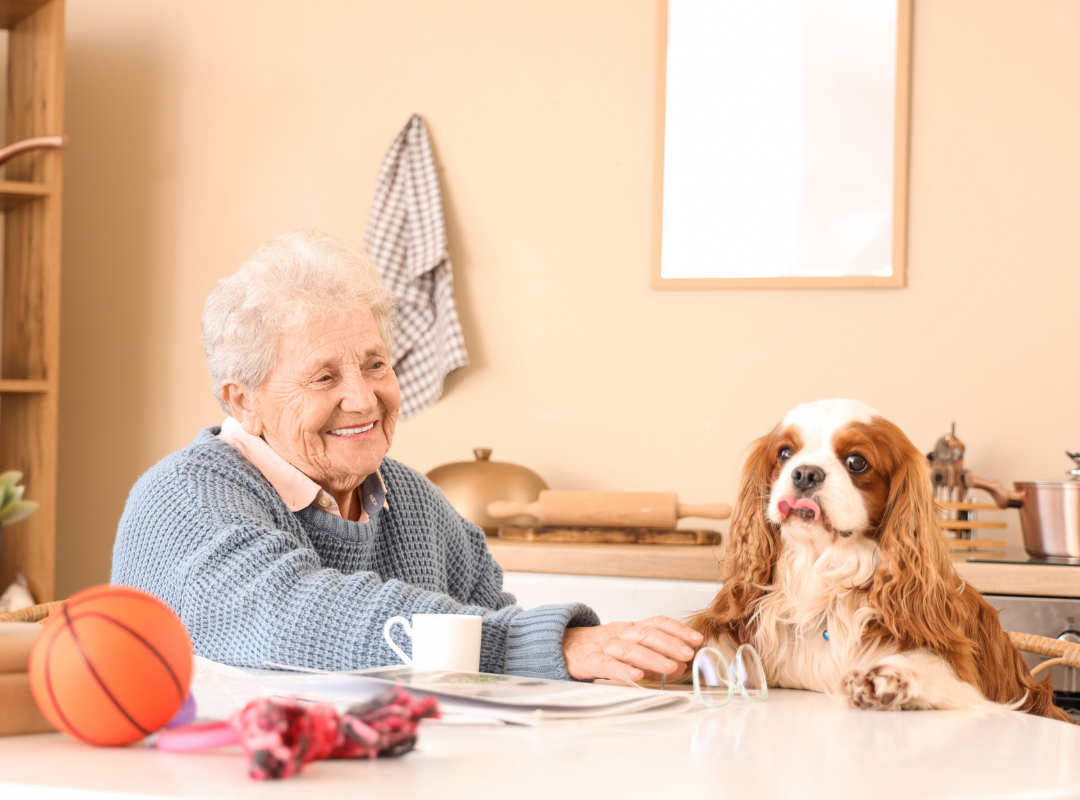
Pet friendly senior living allows older adults to live with an approved companion animal while receiving the care and daily support offered by the community. Because policies differ, families should compare which pets are accepted, who handles everyday care, whether assistance is available, and how the arrangement will work if the resident’s needs change.
For many older adults, a pet is part of the family and a familiar daily routine. The move may feel more manageable when that bond can continue. Families still need to look beyond whether pets are allowed and decide whether the resident, animal, living environment, and available support are a practical match.
What Does Pet-Friendly Senior Living Mean?
Pet-friendly senior living is a community setting where residents may keep an approved pet while receiving senior living services. The community may have rules covering the type, size, number, health records, behavior, and care of animals.
Being pet-friendly does not automatically mean that every animal is accepted or that staff take responsibility for all pet-care tasks. Families should distinguish between three separate features: permission to keep a pet, assistance with selected tasks, and a workable long-term plan for the resident and animal.
Pet-friendly senior living allows residents to keep an approved animal while receiving senior living services. Families should confirm which pets are permitted, what responsibilities remain with the resident, whether pet-care assistance is available, and how shared spaces are managed.
The resident’s abilities, the pet’s needs, community policies, care options, and family involvement all shape whether the arrangement will work. Families comparing Assisted Living and Memory Care should also ask how a pet would fit with the resident’s current level of support.
How Pets May Support an Older Adult’s Daily Life
Pets may add companionship, structure, and familiar moments to an older adult’s day. Feeding, play, grooming, and appropriate walks can create regular points in a routine, while time with an animal may also lead to natural conversations with neighbors, visitors, and staff.
The Centers for Disease Control and Prevention’s guidance on staying healthy around pets notes that animals can create opportunities to exercise, go outside, and socialize. The agency also connects pet companionship with reduced feelings of loneliness while stressing the need for healthy hygiene and appropriate care.
Routine and Purpose
Caring for a pet can give the day a familiar rhythm. Morning feeding, an afternoon walk, or quiet time together may help preserve routines that mattered before the move. That routine should still match the resident’s mobility, memory, energy, and ability to complete each task safely.
Social and Emotional Connection
A pet may provide familiar companionship and make social contact feel more natural. A 2025 study of dependent older adults and pet ownership found that the relationship between pets and loneliness can differ according to the person’s circumstances, including mobility, gender, and the type of animal. This supports a balanced approach because pet companionship may be meaningful, but the experience is not the same for every resident.
Families sometimes focus only on whether the animal can move in. It is also useful to identify how much of the older adult’s current sense of purpose and daily structure depends on the pet. For more ideas about maintaining meaningful routines, explore activities for seniors in assisted living that bring purpose.
Is Senior Living With Pets the Right Fit for Both of Them?
A successful arrangement depends on more than an approved pet policy. Families need to consider the resident, the animal, the living environment, and the backup plan together.
A simple way to evaluate senior living with pets is:
Resident + Pet + Environment + Backup Plan
The Resident’s Abilities and Support Needs
Consider whether the resident can reliably manage feeding, fresh water, walking, grooming, waste cleanup, veterinary appointments, and the animal’s behavior. The answer may change if mobility, memory, energy, or care needs shift.
The Pet’s Needs and Temperament
The animal’s activity level, noise, training, and response to unfamiliar people matter. A pet that is calm at home may need time to adjust to new sounds, routines, neighbors, and shared spaces.
The Living Environment
Families should think about how the residence and community layout will affect daily care. Walking routes, shared areas, and the pet’s ability to settle while the resident attends meals, activities, or appointments can all shape the experience.
The Backup-Care Plan
A clear backup plan should identify who takes responsibility when the resident is sick, away for an appointment, or temporarily unable to care for the animal. Families should also decide what would happen if the resident’s needs or the pet’s needs changed over time.
The best question is not only, “Can the pet move in?” It is, “Can everyone involved maintain a safe and manageable routine?” A Lifestyle Assessment can also help your family think through the routines, preferences, and daily experiences that matter when choosing a community.
What to Compare in Pet-Friendly Senior Living Communities
Pet policies can differ widely, so families should request clear answers before narrowing their choices. The following table can help you compare communities consistently.
| Area to Compare | What to Ask | Why It Matters |
| Permitted animals | Which types of pets are accepted? | “Pet-friendly” may not include every animal. |
| Size, breed, and number rules | Are there limits based on size, breed, weight, or number? | The resident’s current pet may need approval. |
| Pet-care responsibilities | Who handles feeding, walking, grooming, cleanup, and appointments? | Permission does not always include hands-on care. |
| Available support | Can staff help with specific pet-care tasks? | Assistance may affect whether the routine remains manageable. |
| Fees and deposits | Are there deposits, recurring fees, or charges for pet-care help? | Families need a complete view of the arrangement. |
| Health records | Are veterinary or vaccination records required? | Documentation may be needed before move-in. |
| Shared-space rules | Where may pets go within the community? | Clear boundaries support residents, visitors, staff, and animals. |
| Behavior expectations | How are barking, aggression, accidents, or disruptions handled? | Families should understand how concerns are addressed. |
| Emergency planning | What happens if the resident cannot care for the animal? | A backup plan prevents rushed decisions later. |
| Ongoing review | How are changes in the resident’s or pet’s needs handled? | An arrangement that works initially may need to be adjusted. |
Ask for the community’s current written pet policy whenever possible. General descriptions may not explain every restriction, responsibility, fee, or approval step that applies to a specific animal.
Responsibilities and Costs Families Should Clarify
Pet-friendly does not necessarily mean pet care is included. A community may permit an animal while expecting the resident or family to remain responsible for most daily tasks.
Possible responsibilities may include:
- Food, bedding, leashes, and other supplies
- Feeding, walking, grooming, and cleanup
- Veterinary visits, medications, licensing, and health records
- Repair of pet-related damage
- Backup care during illness or changing needs
Families should ask whether pet deposits, recurring charges, or service fees apply. They should also request specific examples of the assistance staff can provide. “Pet support” could refer to one or two tasks, while full responsibility for the animal may still remain with the resident or family.
The CDC’s pet safety and care guidance advises owners to consider an animal’s lifespan, size, food, housing, exercise needs, veterinary costs, and who will provide care. It also notes that adults age 65 and older have a higher risk of illness from germs carried by some animals, making handwashing, veterinary care, vaccinations, and waste cleanup practical parts of the plan.
How Dog-Friendly Senior Living Can Shape Daily Routine
Dog-friendly senior living may help an older adult preserve familiar habits, but dogs often require a more active care routine than some other pets. Feeding, walks, play, bathroom breaks, grooming, and time outside all need to fit around meals, activities, appointments, and the resident’s care schedule.
Families should consider whether the resident can safely control the leash, respond if the dog pulls or jumps, and manage walks during poor weather. They should also ask whether the dog can remain settled while the resident attends activities or spends time away from the residence.
A small dog is not automatically easier to manage. Temperament, training, energy level, noise, and the resident’s physical abilities may be just as important as size.
The CDC’s information about dogs and responsible care estimates that about 38% of U.S. households have one or more dogs. Although dog ownership is common, each senior living community may have different approval rules, resident responsibilities, and levels of pet-care support. Families still need to decide whether the dog’s daily routine can be managed safely and consistently.
Questions to Ask During a Pet-Friendly Community Visit
A tour gives families a chance to move from general descriptions to practical details. Bring a written question list so you can compare answers after visiting more than one community.
- Which types of pets are currently permitted?
- Are there size, breed, age, or number limits?
- Does the pet need approval before moving in?
- Which health or vaccination records are required?
- Are there deposits, recurring fees, or pet-care charges?
- Which feeding, walking, grooming, or cleanup tasks can staff support?
- How often is pet-care assistance available?
- Where may residents walk or spend time with pets?
- Are animals restricted from any shared spaces?
- How are noise, accidents, or behavior concerns handled?
- What happens if the resident temporarily cannot care for the pet?
- What backup plan must the resident or family provide?
- Can the family review the written pet policy?
- How would changing resident needs affect the arrangement?
- How would changing pet needs affect the arrangement?
During the visit, look beyond whether you happen to see animals. Notice whether staff can explain the policy clearly, whether everyday pet routines seem manageable, and whether shared areas feel suitable for residents with and without pets. You can schedule a community visit to discuss these questions in person.

Pet Care and Senior Living at The Gables of Green
The Gables of Green offers Assisted Living and Memory Care at 2045 Franks Parkway in Uniontown, Ohio. Pet care at the community includes walking, feeding, and grooming, which may help residents continue a valued relationship with an animal while receiving support with other parts of daily life. The community also offers personalized assistance with bathing, dressing, and medication management, along with housekeeping, laundry, maintenance, dining, and scheduled transportation. Lifestyle opportunities include yoga, balance and strength classes, book club, art classes, live entertainment, Sunday movies or musical matinees, Friday happy hour, presentations, and outings to local museums and restaurants. You can review additional community amenities and services as you consider how care, pet support, and daily routines may fit together.
A visit can help you see whether your loved one’s care needs, preferred lifestyle, and relationship with a pet can be supported in a practical way. Schedule a tour, contact the community, or call 330-252-8188 to ask about current pet policies, approved animals, family responsibilities, and the pet-care assistance available.
Frequently Asked Questions
What should families ask when comparing pet-friendly senior living communities?
Families should ask which animals are permitted, what restrictions apply, and who remains responsible for everyday care. They should also clarify fees, required health records, shared-space rules, behavior expectations, and available staff assistance. Ask what happens if the resident temporarily cannot care for the pet. Requesting the current written pet policy can make comparisons clearer.
Are there common size, breed, or number limits for pets in senior living?
Some senior living communities place limits on pet size, breed, weight, or number, but the rules vary. A community may also require approval before an animal moves in. Families should not assume that a general pet-friendly policy covers their specific pet. Confirm all restrictions directly before making a decision.
What costs and responsibilities may come with senior living with pets?
Possible costs may include deposits, recurring pet fees, supplies, grooming, veterinary care, medications, and charges for specific pet-care assistance. Responsibilities may include feeding, walking, cleanup, health records, behavior management, and arranging backup care. The exact arrangement depends on the community’s policy. Ask for a full explanation of what is included and what remains the resident’s or family’s responsibility.
How can dog-friendly senior living support an older adult’s daily routine?
A dog may add structure through regular feeding, walks, play, and companionship. These familiar activities can help an older adult maintain a sense of continuity after moving. The routine still needs to fit the resident’s mobility, energy, memory, and care schedule. Families should also have a backup plan for walks and other tasks.
What are the potential social and emotional benefits of pets for seniors?
Pets may offer companionship, familiarity, routine, and a continuing sense of responsibility. They can also create natural opportunities for conversation and appropriate activity. The experience varies based on the resident, the animal, and the strength of their bond. Pets should not be viewed as a guaranteed treatment for loneliness, stress, or another health concern.