330.252.8188
 Uniontown, OH
 330.252.8188
 Uniontown, OH


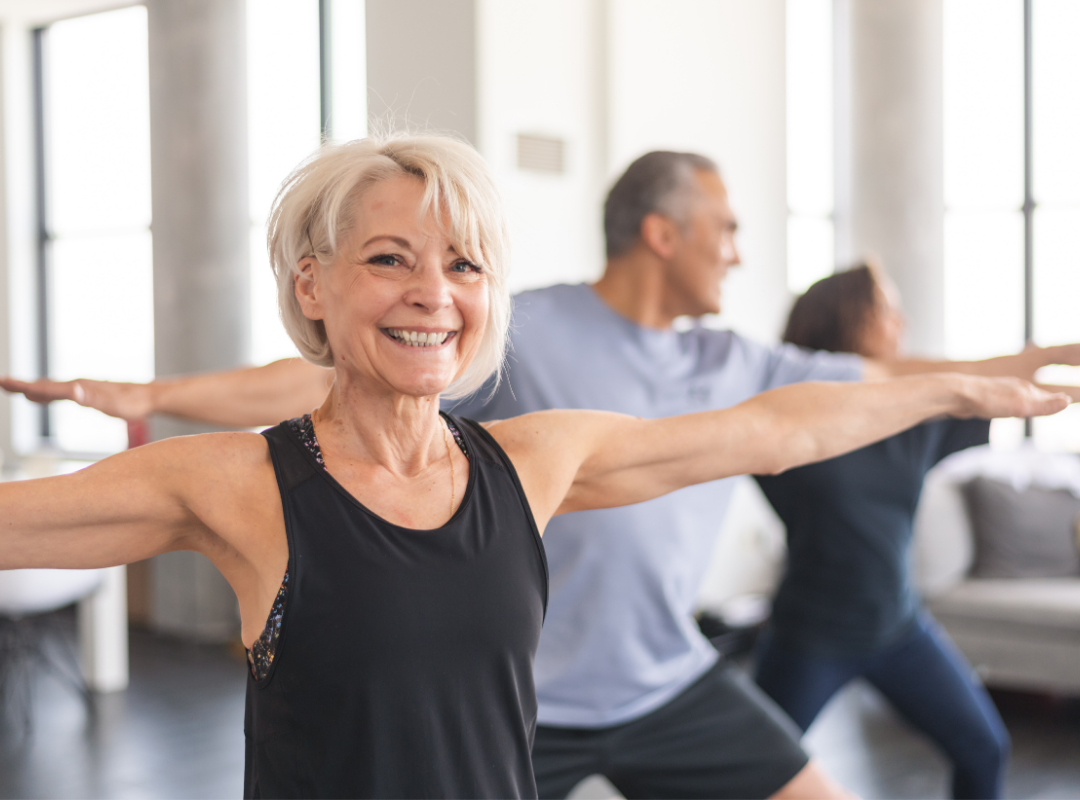
Yoga for seniors is a gentle, adaptable way to practice strength, balance, flexibility, breathing, and relaxation through seated, supported, or standing movements. You do not need previous experience or advanced flexibility to begin, but the class style and pace should match your current abilities, comfort, and guidance from a healthcare professional.
At The Gables of Green in Uniontown, Ohio, yoga classes are part of a wider selection of fitness and lifestyle activities. You can learn how senior yoga works, compare class formats, review safety questions, and choose an approach that feels right for you.
What Yoga for Seniors Means: Gentle, Supported, and Adaptable
Yoga for seniors is an adaptable form of movement that may combine physical poses, breathing, balance practice, and relaxation. There is no single senior yoga style or level. Movements may be completed while seated, standing with support, or moving at a gentle pace based on your mobility, experience, balance, and personal comfort.
Gentle Yoga, Chair Yoga, and Traditional Yoga
Gentle yoga uses slower movements and an easy pace. Chair yoga provides seated or chair-supported options, while traditional yoga may include more standing and floor-based poses. A good fit gives you clear instructions, suitable modifications, and enough support to move with confidence.
How Yoga Can Support Strength, Balance, and Everyday Calm
Yoga can give you a structured way to practice movement and relaxation. What you notice may be different from what someone else experiences, but gentle yoga for older adults may offer opportunities to work on:
- Strength: Controlled movements engage different areas of the body.
- Balance: Supported poses let you practice feeling steady.
- Flexibility: Gentle movements encourage a comfortable range of motion.
- Calm: Breathing and focused movement create time to slow down.
The CDC’s activity guidance for adults 65 and older recommends at least 150 minutes of moderate-intensity aerobic activity each week, muscle-strengthening activity on 2 days, and activities that improve balance. Yoga may be one part of an active week, depending on the style, pace, and movements used.

Which Type of Yoga Is the Best Fit for You?
The most suitable yoga format depends on your present abilities, confidence, experience, and available support. Age can shape the questions you ask, but it should not be the only factor guiding your choice.
| Yoga Format | Who It May Suit | Available Support | What to Ask |
| Gentle yoga | Beginners who prefer a slower pace | Props or movement modifications | Can each pose be adapted? |
| Chair yoga | People who prefer seated or supported movement | A stable chair | Can the full class be completed while seated? |
| Supported standing yoga | People are comfortable standing with nearby support | A chair, wall, or instructor | How are balance movements modified? |
| Beginner senior yoga class | Those seeking instruction and group participation | Instructor-led guidance | Does the instructor work with older adults? |
| Home-based yoga | Those who prefer privacy or flexible timing | A book, video, or suitable support | Is the resource clear and beginner-friendly? |
Yoga for seniors over 60, over 70, and over 80 follows the same idea: the class should fit you. Beginner yoga for seniors over 65 should offer a clear pace, simple directions, and options for adapting each movement.
Start With Support: Safety Questions to Ask Before Yoga
A safe yoga experience begins with movements that reflect your current abilities. Speak with an appropriate healthcare professional before starting if you have a health condition, physical limitation, or concern about whether certain movements are suitable.
Ask the instructor:
- Can every pose be modified?
- Is a stable chair available?
- Can I remain seated when needed?
- What should I do if a movement feels uncomfortable?
Yoga should not feel competitive, and you should never force yourself into a pose. The National Center for Complementary and Integrative Health’s yoga safety guidance advises older adults and people with health conditions to discuss their needs with both a healthcare provider and the yoga instructor. Choose comfortable movements and stop if something does not feel right.
Choosing Between Home Resources and Senior Fitness Classes
Home resources and instructor-led senior fitness classes offer different experiences. You may prefer a flexible private routine, or you may feel more at ease with live guidance and other people nearby.
Practicing at Home
A yoga for seniors book or beginner-focused video can introduce basic movements at your own pace. Online yoga resources for seniors over 70 vary in speed and quality, so look for clear demonstrations, seated alternatives, beginner-level instruction, and reminders to stay within your abilities. You may also explore chair exercises for seniors with music as a related seated-movement resource.
Joining an In-Person Class
An in-person class gives you live instruction, immediate movement options, a routine, and time with others. If you are searching for “yoga for seniors near me,” ask about the pace, accessibility, chair support, class size, and instructor experience. The Gables of Green offers yoga classes and balance and strength fitness classes. The Move Your Way resources for older adults also provide practical information for choosing activities that match your abilities.
Discover an Engaging, Active Lifestyle at The Gables of Green
Yoga can become part of a balanced routine that includes movement, creativity, entertainment, and time with others. At The Gables of Green, residents can participate in yoga, balance and strength fitness classes, art classes, book club, live entertainment, Friday happy hour, Sunday movie or musical matinees, and outings to local museums and restaurants. The community offers Assisted Living and Memory Care.
A personal visit can help you picture how fitness, social activities, and supportive services may fit into daily life. Choose a convenient time to schedule a personal tour or contact The Gables of Green with your questions for a thoughtful conversation about what you and your family are looking for.
Frequently Asked Questions
What is the best type of yoga for seniors?
The best type of yoga for seniors is one that matches the person’s mobility, experience, balance, and comfort. Gentle yoga may suit beginners who prefer a slower pace. Chair yoga can provide seated or supported movements, while a beginner senior class may offer live guidance. Look for clear instructions and the option to modify every movement.
Is yoga good for liver cirrhosis?
Yoga is not a treatment for liver cirrhosis. Whether yoga is suitable depends on the individual’s health, symptoms, abilities, and medical guidance. A person with liver cirrhosis should speak with their physician or specialist before starting or changing an exercise routine. Any approved movements should stay within the limits provided by that healthcare professional.
How often should a 70-year-old do yoga?
There is no single yoga schedule that is right for every 70-year-old. Frequency should reflect the person’s health, current ability, recovery needs, class intensity, and professional guidance. A gradual and consistent approach may feel more manageable than long or demanding sessions. Speak with a healthcare professional if a medical concern may affect participation.
Is yoga good for 80-year-olds?
Appropriately modified yoga may be a suitable activity for some adults over 80. Chair-supported poses, gentle movements, and beginner instruction can make participation more accessible. The format should match the person’s current balance, mobility, and comfort. A healthcare professional can help address concerns related to health conditions or physical limitations.