330.252.8188
 Uniontown, OH
 330.252.8188
 Uniontown, OH


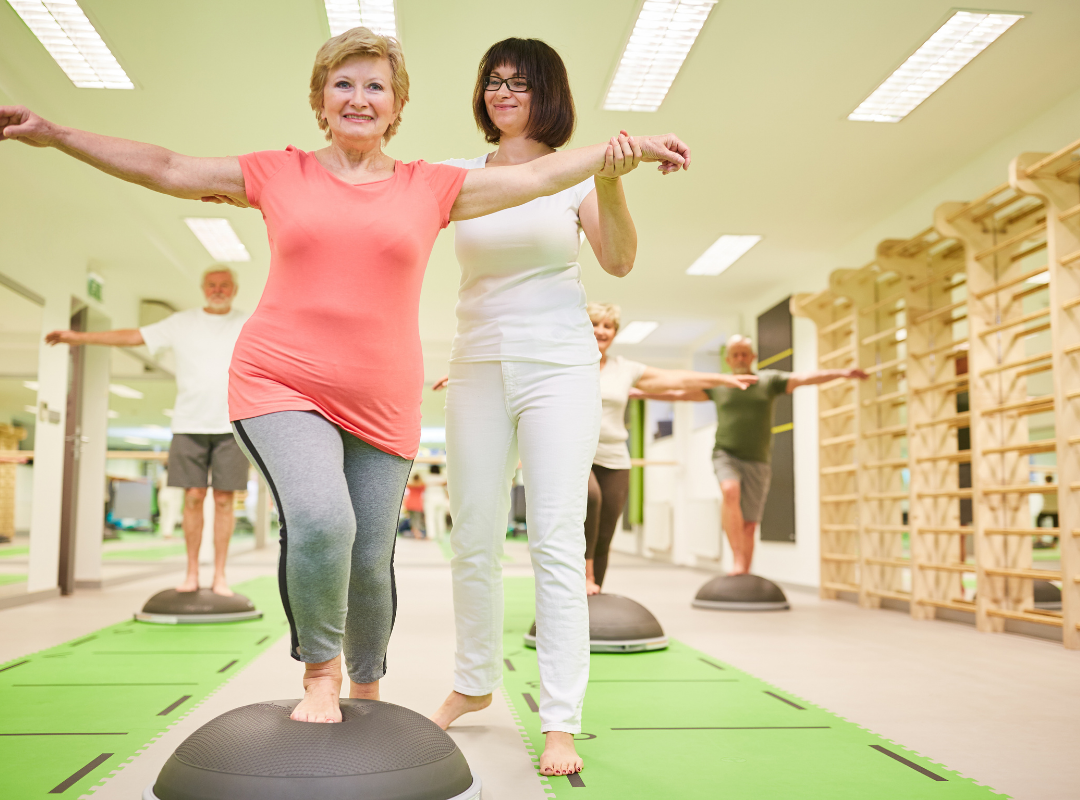
The best balance exercises for seniors are controlled movements that strengthen the legs and core while practicing steady standing, weight shifts, and walking. Supported standing, sit-to-stand, heel-to-toe raises, side steps, and single-leg practice can all be useful when they match your current ability and include sturdy support nearby.
You will find 10 movements, a simple 10-minute routine, and practical fall-prevention checks. At The Gables of Green in Uniontown, Ohio, balance and strength fitness classes and yoga are part of an active community lifestyle. Talk with a doctor or physical therapist before trying unfamiliar exercises if you feel unsteady, have recently fallen, or need hands-on help.
What Are Balance Exercises for Seniors?
Balance exercises are controlled movements that challenge your ability to stay steady while standing, shifting your weight, changing positions, or walking. They draw on lower-body strength, core control, posture, coordination, mobility, vision, and awareness of where your body is positioned.
Balance practice can support steadier daily movement during activities such as rising from a chair or walking across a room. The right starting point depends on your mobility and the support you need. This reviewed balance exercise guidance offers more examples, while these safe lower leg strengthening exercises explore the strength side of stability.
10 Best Balance Exercises for Seniors at Home
The best balance exercises for seniors at home begin at a level that feels controlled and manageable. Choose each movement based on your strength, mobility, and ability to stand safely, using a sturdy chair, counter, or wall whenever support helps you feel more secure.
| Exercise | Suggested Level | Support Needed | How to Practice | Easier Modification |
| Feet-Apart Standing | Beginner | Counter or sturdy chair | Stand with your feet about shoulder-width apart. Hold steady for 10 seconds and slowly work toward 30 seconds. | Keep both hands on the support. |
| Feet-Together Standing | Beginner to Intermediate | Counter or sturdy chair | Bring your feet together and hold the position while looking forward. | Leave a small space between your feet. |
| Sit-to-Stand | Beginner to Intermediate | Sturdy chair | Sit with your feet flat. Lean forward, stand slowly, pause, and lower yourself with control. | Push from the chair arms if needed. |
| Heel-to-Toe Raises | Beginner to Intermediate | Chair or counter | Lift your heels, lower them, and then lift your toes while keeping the movement slow. | Complete the movement while seated. |
| Sideways Walking | Intermediate | Wall or counter | Step to one side, bring your other foot in, and continue before returning in the other direction. | Take shorter steps and hold a support. |
| Heel-to-Toe Walking | Intermediate | Wall or counter | Walk in a straight line, placing the heel of one foot near the toes of the other. | Leave more space between your feet. |
| Single-Leg Stance | Intermediate | Sturdy chair or counter | Shift your weight onto one leg and gently lift the other foot. Lower it and switch sides. | Keep one toe on the floor. |
| Side Leg Raises | Intermediate | Sturdy chair | Stand tall, lift one leg gently to the side, and lower it with control. | Use a smaller range of movement. |
| Back Leg Raises | Intermediate | Sturdy chair | Lift one leg slightly behind you without leaning forward or arching your back. | Lift the leg only a short distance. |
| Supported Tree Pose | Intermediate to Advanced | Chair or wall | Shift your weight to one foot and place the other foot low against your ankle or calf, not your knee. | Keep the raised foot’s toes on the floor. |
Move slowly and avoid rushing to reach a certain number of repetitions or seconds. Stop if you experience pain, feel unsafe, or cannot stay in control with the support available.
A Simple 10-Minute Balance Routine
A 10-minute balance routine for seniors should begin with stable movements before adding walking or one-leg practice. Use this sample only when you can exercise safely with suitable support, and seek professional guidance if you have weak balance or a recent fall.
Begin With Supported Standing
Use minutes 1 through 2 for feet-apart and feet-together standing near a counter or sturdy chair. Focus on steady breathing and controlled posture.
Add Strength and Controlled Movement
During minutes 3 through 6, try sit-to-stand and seated or supported heel-to-toe raises. Pause between movements so you can notice whether you still feel steady.
Finish With Steady Walking Practice
Use minutes 7 through 9 for short sideways steps or heel-to-toe walking beside a support. Spend the final minute resting and noticing whether you feel tired, unsteady, or ready to stop.
Practice Safely Before Increasing the Challenge
Safe balance practice starts with choosing an exercise that matches your current ability. Clear the area, wear supportive footwear, and keep a sturdy surface within reach. Do not exercise alone if you may need hands-on help, and stop if a movement causes pain or leaves you feeling unsafe.
New or worsening balance changes deserve professional attention. Senior health guidance from OhioHealth includes changes in mobility or daily functioning among the concerns older adults and families can discuss with a healthcare professional.
- Continue: You feel steady and can control the movement.
- Modify: You need more support, a smaller movement, or additional rest.
- Pause and seek guidance: You have pain, marked unsteadiness, or a recent fall.
At The Gables of Green, 24-hour nursing staff and a Director of Nursing provide ongoing supervision, safety, and health management. Balance classes are part of community life, not a replacement for physical therapy or personal medical advice.
Balance Training Is Only One Part of Fall Prevention
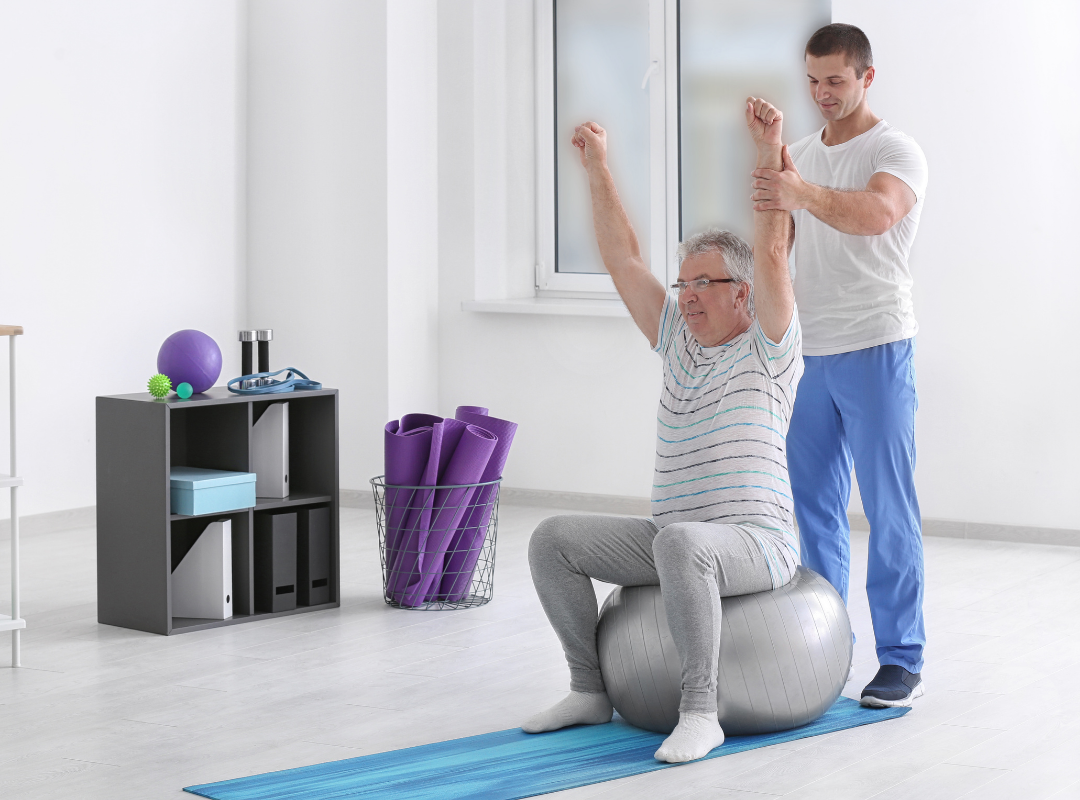
Fall prevention exercises for seniors can support steadiness, but exercise is only one part of a broader safety plan. More than 25% of adults age 65 or older experience a fall each year, and 3 million are treated in emergency departments for fall injuries, according to this fall-prevention resource for older adults.
Families asking how to prevent falls in the elderly can also review the home and daily routine together:
- Keep walking paths clear of loose items and trip hazards.
- Improve lighting in bedrooms, hallways, and frequently used areas.
- Choose supportive footwear and avoid rushing while standing.
- Discuss vision, hearing, medication, or mobility concerns with a healthcare professional.
If changes in movement or daily tasks are becoming harder to manage, the care assessment can help your family think through the support that may be worth exploring.
How The Gables of Green Supports Active Senior Living
The Gables of Green offers Assisted Living and Memory Care in Uniontown, Ohio. Balance and strength fitness classes and yoga give residents opportunities to include movement in an engaging routine. Personalized assistance is also available for bathing, dressing, and medication management.
An active lifestyle includes movement, creativity, and time with others. Residents may enjoy book club, art classes, interactive lectures, live entertainment, Sunday movie or musical matinees, and outings to museums and restaurants. Explore the community’s amenities and daily experiences to see how these opportunities can fit together.
Take a Steadier Step Toward the Right Support
The best balance routine is one that fits your abilities, feels manageable, and gives you the support needed to practice with care. Small, controlled movements can help you build confidence without pushing toward an exercise before you are ready.
To see how wellness activities and personalized assistance come together at The Gables of Green, you can schedule a tour in Uniontown. You may also contact the team to talk through what you or your family member may need.
Frequently Asked Questions
How Long Should a 70-Year-Old Be Able to Balance on One Foot?
There is no single balance time that every 70-year-old should meet. Balance varies with mobility, strength, health, and the amount of support a person needs. Some supported exercise progressions begin with about 10 seconds and work toward 30 seconds, but this is not a universal age benchmark. Speak with a doctor or physical therapist if one-leg standing feels unsafe or your balance has recently changed.
Can Balance Be Restored in the Elderly?
Balance can often improve with suitable practice, strength-building, and professional guidance. The amount of improvement will differ from one person to another. Exercises should match the person’s mobility, health, and need for support. New or worsening balance problems should be discussed with a healthcare professional.
What Are 5 Exercises for Balance?
Five balance exercises are supported standing, sit-to-stand, heel-to-toe raises, sideways walking, and heel-to-toe walking. Each movement can be practiced near a sturdy chair, counter, or wall. Beginners may use both hands for support or choose a smaller range of motion. The safest combination depends on your current ability and steadiness.
Which Exercise Is Best for Improving Balance?
No single exercise is best for every older adult. Supported standing may be a suitable starting point, while sit-to-stand combines balance practice with lower-body strength. Heel-to-toe walking and single-leg standing create a greater challenge for people who can complete them safely. Choose the movement that lets you remain controlled without increasing your risk of falling.