330.252.8188
 Uniontown, OH
 330.252.8188
 Uniontown, OH


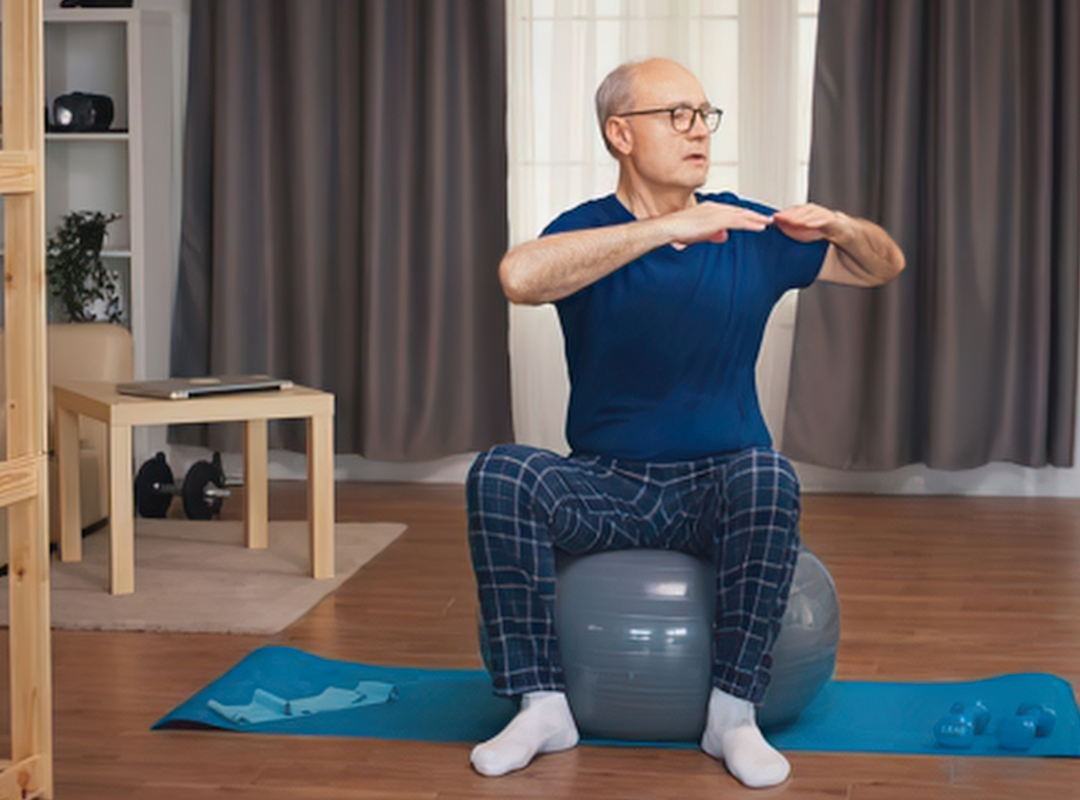
Fall prevention exercises for seniors focus on building leg strength, balance, coordination, and control for everyday movements. Supported sit-to-stands, heel raises, weight shifts, and side steps may help an older adult move more steadily when standing, turning, reaching, or walking, but exercises should always match the person’s current abilities.
Exercise is one part of a wider safety plan. You also need to consider the practice area, footwear, health concerns, home hazards, and whether another person should be nearby. These steps can help you choose a safer starting point and recognize when professional guidance may be needed.
How Fall Prevention Exercises Support Safer Movement
Fall prevention exercises for seniors are controlled movements that build balance, leg strength, coordination, and body control for daily actions such as standing, turning, reaching, and walking. They work best when paired with home safety improvements, supportive footwear, health reviews, and the right level of supervision.
Each ability supports a different part of daily movement. Stronger legs can make rising from a chair easier. Balance helps you remain steady while standing, while coordination supports stepping and changing direction. The most useful exercise is not always the hardest one. It is a movement you can perform safely, consistently, and with control.
The need for a thoughtful approach is significant. The Centers for Disease Control and Prevention reports that more than 14 million adults age 65 and older, or about one in four, report falling each year. About 37% of those who fall report an injury that requires medical treatment or limits activity for at least one day.
Before You Begin, Check the Exercise Space and Support Level
A safe routine begins before the first movement. Choose a clear, well-lit space with enough room to step without reaching around furniture or other obstacles. Keep a stable support surface within reach and wear shoes that fit well and provide steady footing.
The National Institute on Aging recommends combining balance and strength activities with practical steps to reduce fall hazards at home.
Prepare a Safer Practice Area
Use a sturdy, non-rolling chair or secured countertop for support. Remove loose rugs, cords, clutter, and other objects from the practice area. Keep any cane, walker, or other mobility aid nearby if it is normally used, since moving it out of reach may make transitions less safe.
Decide Whether Someone Should Be Present
Independent practice may be reasonable when you can stand steadily, understand the movement, and use nearby support safely. Ask a family member to stay nearby if you are new to balance work or lack confidence. Seek professional guidance before practicing alone if standing feels unsafe or you have experienced a recent fall, dizziness, or pain.
A family member should not pull, lift, or hold you through an unfamiliar movement unless a qualified professional has shown them how to assist safely. Families often focus on the exercise itself and overlook whether the person can safely get into position, turn around, and return to a chair afterward.

Fall Prevention Exercises for Seniors to Build Leg Strength
Leg strength supports everyday movements such as standing, walking, and controlling the body while sitting down. Begin with a small range of motion and steady support. The goal is controlled movement, not speed or a fixed number of repetitions.
Sit-to-Stand
Sit near the front of a sturdy chair with both feet flat on the floor. Lean forward slightly, stand at a controlled pace, pause until you feel steady, and lower yourself slowly. You may use the chair arms when needed. Stop and seek guidance if the movement causes knee, hip, or back pain.
Supported Heel Raises
Stand behind a stable chair or at a countertop and hold on with both hands. Slowly lift your heels, pause briefly, and lower them with control. Keep your body upright and avoid rocking forward. A smaller lift or seated version may be more manageable when you are starting.
Supported Marching in Place
Hold a stable surface and lift one foot a short distance from the floor, then lower it before changing sides. This practices weight shifting and the brief single-leg support used during walking. Keep the movement low and slow, especially if lifting the knee higher causes you to lean or lose control.
Beginner Balance Exercises for Seniors
The best balance exercises for seniors who are just getting started use a wide base of support, small movements, and a sturdy surface within reach. Progress should come only after the current position feels controlled with little swaying.
For additional movement ideas and modifications, explore these balance exercises for seniors, including supported standing, sit-to-stand movements, and walking-based exercises.
Feet Apart to Feet Together
Begin with your feet comfortably apart while holding a chair or counter. Once this feels steady, gradually move your feet closer together while keeping your eyes open. Use both hands, one hand, or fingertip support based on what helps you remain in control.
Supported Weight Shifts
Stand with your feet apart and gently move your weight from one side to the other without lifting either foot. This movement helps prepare the body for stepping, turning, reaching, and responding to small changes in position. Keep your hips and shoulders facing forward and avoid leaning beyond your base of support.
Side Steps Along a Counter
Face forward beside a long, stable counter. Take a small step to the side, bring the other foot toward it without crossing your legs, and continue for a short distance. Clear the entire path first and keep your hand close enough to the counter to regain support quickly.
Heel-to-Toe Position With Support
Place one foot slightly in front of the other in a staggered stance while holding a stable surface. You do not need to place the feet in a perfectly straight line. Holding the position may be a safer beginning than immediately attempting heel-to-toe walking.
How to Choose the Right Starting Level
Your starting level should reflect what you can do safely, not what you hope to complete. A recent fall, marked instability, or a need for substantial assistance should take priority over a desire to move to a harder exercise.
| Starting level | What you may be able to do | Exercise approach | Support to consider |
| Seated or highly supported | Standing feels difficult or unsafe | Seated leg movements and preparation for sit-to-stand | Guidance from a healthcare or fitness professional |
| Supported beginner | You can stand while holding a stable surface | Heel raises, marching, weight shifts, and wide-stance balance | Counter, sturdy chair, or another person nearby |
| Developing balance | You can stand steadily with light support | Feet-together stance, side steps, and staggered standing | Fingertip support and a clear practice area |
| More confident | You control basic movements without marked swaying | Carefully progressed standing and walking tasks | Professional input before advanced variations |
This table is not a medical assessment. Progress should be based on movement quality, confidence, and control rather than completing a set number of repetitions.
A simple framework can help you remember the safest approach:
Start wide, stay supported, move slowly, and progress only when the current movement feels controlled.
How Often Should Seniors Practice Balance Exercises?
Balance exercises are most useful when practiced consistently at a level that does not create unsafe fatigue. The National Institute on Aging suggests aiming for balance activities about three times per week, although your schedule should also reflect your ability, health, recovery needs, and professional recommendations.
Short, repeatable sessions may be easier to manage safely than occasional long sessions. A suitable session should allow you to maintain steady form without new pain, dizziness, unusual shortness of breath, or growing instability. You should also have enough energy and control to leave the exercise area safely when you finish.
Families may find it more useful to track confidence and movement quality than repetitions alone. Needing more support, rushing through the final movements, or becoming less steady as the session continues can be signs that the routine is too demanding.
Exercise and Home Safety Work Better Together
Exercise can improve physical abilities, but it cannot address every reason a person may fall. Lighting, clutter, footwear, medication effects, vision, dizziness, and changes in walking can all influence safety. The Johns Hopkins Medicine fall-prevention guidance explains that fall risk often comes from several factors working together, including balance problems, home hazards, medications, low blood pressure, and footwear concerns.
Review the home and daily routine for concerns such as:
- Clutter, cords, or loose rugs in walking paths
- Dim lighting in hallways, bedrooms, and bathrooms
- Slippery surfaces or unstable handrails
- Frequently used items stored out of easy reach
- Shoes or slippers that do not provide secure footing
A family check-in can reveal changes that are easy to miss. Ask whether there has been a fall or near-fall, whether certain rooms or activities are being avoided, or whether the person has started holding furniture while walking. Changes in walking speed, confidence, or the ability to rise and turn may also signal that more support should be discussed.
If everyday movement or personal tasks are becoming harder, the Care Assessment from The Gables of Green can help your family organize what you have noticed and consider which types of support may be worth exploring. It does not replace an evaluation by a healthcare professional.
When to Consult a Healthcare Professional
Consult a doctor, physical therapist, or another qualified healthcare professional before starting or progressing balance exercises if you have fallen recently, cannot stand without substantial support, or feel unsafe while walking. New dizziness, faintness, weakness, pain, recent surgery, medication concerns, or a major change in mobility also deserve individual guidance.
Johns Hopkins advises older adults to speak with a doctor or physical therapist before beginning new exercises, especially when balance is weak. Its guidance also recommends stopping sit-to-stand practice and seeking professional advice if the movement causes pain in the knees, back, or hips.
Stop exercising if you experience pain, dizziness, chest discomfort, unusual trouble breathing, sudden weakness, or loss of control. Repeatedly grabbing nearby objects to avoid falling is also a reason to pause and ask for help choosing a safer approach.
Build Balance and Strength Into a Supportive Routine
A safer routine starts with exercises that fit your abilities, a clear environment, steady support, and gradual progress. Exercise can support strength and balance, but home safety, health concerns, supervision, and changing daily needs also shape the right fall-prevention plan.
At The Gables of Green in Uniontown, Ohio, residents can take part in balance and strength fitness classes and yoga as part of community life. Assisted Living and Memory Care are available for older adults whose needs extend beyond an at-home exercise routine, with personalized help for bathing, dressing, and medication management. You can explore the care offerings or schedule a tour to see how wellness activities and daily support may fit your family’s needs. You may also call 330-252-8188 to speak with the community team.
Frequently Asked Questions
Which fall prevention exercises for seniors can support balance and leg strength?
Sit-to-stand movements, supported heel raises, marching in place, weight shifts, and supported standing exercises can work on balance and leg strength. The safest combination depends on your current stability, mobility, and need for support. Begin with slow movements near a sturdy chair or counter. Ask a healthcare professional for guidance if you have weak balance, pain, or a recent fall.
What are the best balance exercises for seniors who are just getting started?
Wide-stance standing, supported weight shifts, and small side steps are practical starting exercises for many seniors. They allow you to use a stable surface and adjust the movement to your current ability. Start with both hands on the support if needed and reduce support only when you remain steady. Do not move to narrower stances or harder exercises simply because you completed a certain number of repetitions.
How often should older adults practice balance exercises for seniors?
Many older adults may work toward balance practice several times per week, but the right schedule varies. Your health, fatigue, exercise intensity, and professional recommendations should guide frequency. Short sessions may be easier to complete with safe form than long routines. Stop or reduce the session if your movement becomes less controlled as you tire.
How can exercise and home safety work together to help prevent falls in the elderly?
Exercise may support strength, balance, coordination, and controlled movement, while home safety changes address environmental risks. Clear walkways, better lighting, secure footwear, and stable support surfaces can make everyday movement safer. Medication effects, dizziness, vision changes, and changes in walking should also be discussed with a healthcare professional. A coordinated approach is more complete than relying on exercise alone.
When should an older adult consult a healthcare professional before starting balance exercises?
An older adult should seek professional guidance after a recent fall or when standing and walking feel unsafe. Dizziness, faintness, new pain, sudden weakness, recent surgery, medication concerns, or a major mobility change are also reasons to ask for help. A doctor or physical therapist can recommend movements suited to the person’s condition and ability. Stop exercising and seek guidance if symptoms appear during the routine.